Can a Plumbing Leak Cause Foundation Damage?
Yes, a plumbing leak can contribute to foundation damage. When water escapes from a supply line, drain, or sewer pipe beneath or beside a home, it changes the moisture content of the soil that supports the foundation. Soil that is supposed to remain relatively stable can become saturated in one area and unusually dry in another, and that imbalance often leads to uneven settling, cracking, or shifting over time.
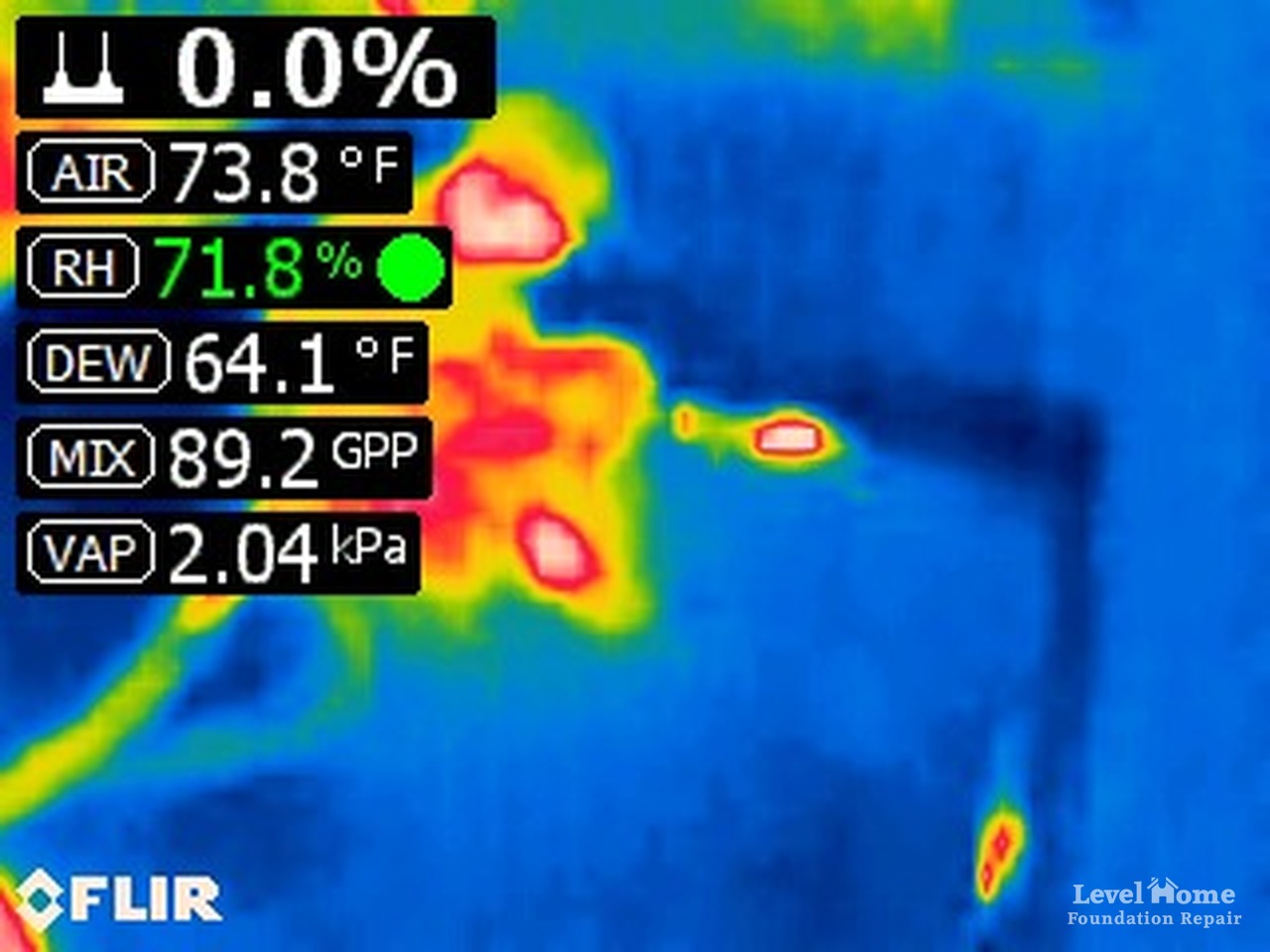
Not every leak causes structural problems, and not every foundation crack traces back to a leak. But persistent, undetected water loss near or under a slab or crawl-space foundation is a hidden contributor our team encounters when investigating structural movement in Tulsa-area homes. Understanding how a leak translates into structural risk, and knowing what signs to watch for, can help homeowners catch a problem before it becomes a larger repair.
Why Water From a Leak Can Affect a Home’s Structural Support
A foundation relies on the soil beneath and around it for consistent, predictable support. Most soil types shrink and swell to some degree as moisture levels change, and problems tend to develop when that change happens unevenly or repeatedly in the same spot. A plumbing leak introduces exactly that kind of localized, ongoing moisture change.
Soil Moisture Changes Beneath or Beside a Slab
A leak that releases water under or near a slab foundation can saturate the soil directly beneath the structure. Saturated soil behaves differently than the surrounding, undisturbed soil. It may expand, lose density, or become unable to bear the same load it once did, which changes how the foundation is supported at that point.
Uneven Support and Differential Movement
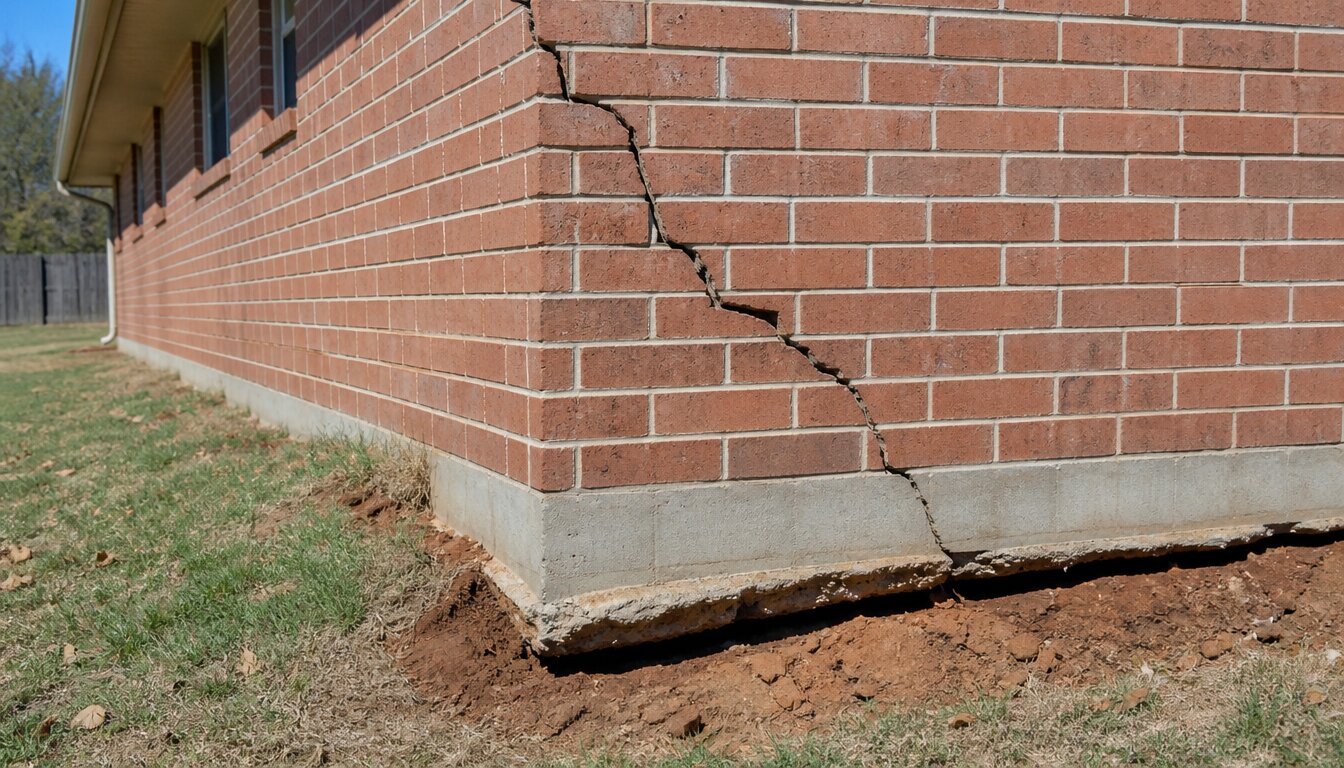
Because a leak is typically localized, the moisture change it causes tends to be localized as well. This creates a situation where one section of the foundation rests on altered soil while the rest remains on stable ground. That difference in support is what structural professionals call differential movement, a common cause of cracking, sloping floors, and misaligned doors and windows.
Localized Erosion or Void Formation
In some cases, particularly with pressurized supply-line leaks, escaping water can gradually wash away fine soil particles from beneath the foundation, creating small voids or areas of reduced soil density. A foundation resting above a void has less material supporting it, which can lead to localized settlement.
Moisture-Related Deterioration in Crawl-Space Systems
Homes built over crawl spaces face an additional concern. A plumbing leak in this space can raise humidity and moisture levels in an already enclosed environment, contributing to wood rot, deterioration of support posts and beams, and conditions that encourage mold growth. These issues affect the structural framing that supports the floor system above, separate from any effect on the foundation itself.
Why Tulsa-Area Soil Conditions Amplify the Risk
The expansive clay soils common throughout the Tulsa area already shrink and swell with normal seasonal moisture changes. A plumbing leak adds an artificial, concentrated moisture source on top of that natural cycle, which can accelerate the pace or severity of soil movement. Homeowners who want a deeper explanation of these soil characteristics can review our Oklahoma clay soil guide.
Which Plumbing Leaks Create the Greatest Foundation Risk?
Not all plumbing leaks carry the same structural risk. Location, water pressure, and how long a leak goes undetected all play a role in whether it simply raises a bill or contributes to a structural issue.
Pressurized Water-Supply Leaks Beneath a Slab
Supply lines operate under constant pressure, so a break in a line running beneath a slab can release a steady, sometimes significant, volume of water into the soil below. Because these lines are pressurized around the clock, even a small leak can introduce a meaningful amount of water before it is noticed.
Drain, Waste, or Sewer-Line Leaks Under or Near the Home
Drain and sewer lines are not pressurized the way supply lines are, but they carry water every time a fixture is used, and they often run at a slight slope beneath or adjacent to the foundation. A crack or separated joint can leak repeatedly, saturating the same area of soil each time the plumbing system is used.
Plumbing Leaks in Crawl Spaces
Exposed plumbing running through a crawl space is easier to inspect than a line buried beneath a slab, but leaks here can still go unnoticed for a long time, particularly in crawl spaces that are rarely accessed. Water pooling or dripping in this confined space affects both the soil below the home and the wood framing above it.
Leaks at Plumbing Penetrations Through a Slab or Foundation Wall
Every point where a pipe passes through a slab or foundation wall is a potential entry point for water intrusion if the seal fails. These leaks can introduce moisture directly at the foundation, sometimes with less obvious external symptoms than a leak occurring further from the structure.
Exterior Service-Line Leaks Close to the Foundation
The water and sewer lines that connect a home to municipal service lines often run close to the foundation before extending toward the street. A leak in one of these lines can behave similarly to a slab leak, saturating adjacent soil even though it technically originates outside the footprint of the home.
8 Signs a Plumbing Leak May Be Connected to Structural Damage
Because plumbing leaks and structural movement can develop together, watching for the combination of symptoms below can help identify a connection early.
- Unexpectedly high or rising water bills with no obvious change in household water use.
- A water meter that continues moving when every fixture in the home is turned off.
- Warm or damp floor areas, or unexplained moisture appearing on flooring with no clear source.
- Persistent sewer odors, slow drains, or recurring backups that return even after routine clearing.
- New or worsening cracks in interior walls, floors, or the exterior of the home.
- Doors or windows that begin sticking around the same time other plumbing symptoms appear.
- Soft, uneven, damp, or sagging floors in homes with a crawl-space foundation.
- Moisture or settlement near the perimeter of the home, including soil that stays wet longer than surrounding areas.
One or two of these signs alone may point to a simple plumbing issue. Several appearing together, especially alongside visible structural symptoms, is a stronger indicator the two may be related. A closer look at broader indicators of structural movement is available in our overview of foundation warning signs.
Plumbing Leak, Drainage Problem, or Normal Settlement? How to Tell the Difference
Because cracks, sloping floors, and sticking doors can result from more than one cause, it helps to compare the timing and pattern of symptoms against three common explanations.
A plumbing leak tends to produce symptoms that are persistent and largely unaffected by weather. Water bills stay elevated, a meter keeps moving, or a damp area stays damp, regardless of recent rainfall or an extended dry stretch.
A drainage or grading problem is usually tied closely to rainfall and runoff. Symptoms tend to worsen after storms and improve, or disappear, during dry periods, since the water source is surface water rather than a continuous leak.
Normal settlement typically shows gradual changes over a long period without accompanying evidence of active water, such as elevated bills, damp soil, or moving meters. Minor settlement is common and does not always indicate a serious problem.
Homeowners sorting out which explanation fits should document what they observe: dates, weather, water bill amounts, and photos of affected areas over time. This record is useful both for a plumber locating a leak and for a structural professional evaluating whether foundation movement has occurred. For background on the range of conditions that can lead to cracking, see our guide on what causes foundation cracks.
What to Do First if You Suspect a Leak Beneath or Near Your Foundation
If the signs above point toward a possible leak near or beneath the foundation, a measured, sequential approach limits both water damage and unnecessary cost.
- Limit water damage. If the leak source is known and accessible, shutting off the water supply to that fixture or line, or the main shutoff if necessary, can prevent additional water from entering the soil or structure.
- Contact a plumbing or leak-detection professional. Specialized equipment can often pinpoint the exact location of a slab or underground leak without extensive excavation, which is the fastest way to confirm whether a leak exists.
- Document structural symptoms before cosmetic repairs begin. Photograph cracks, uneven floors, or sticking doors and windows before any patching, painting, or flooring work is done, so there is a clear record of the condition when the leak was found.
- Arrange a structural or foundation assessment. Once the leak is located, or if structural symptoms are already visible, a separate evaluation can determine whether movement has occurred and what it involves. A foundation inspection in Tulsa is the appropriate next step.
- Coordinate repairs. Plumbing repairs and structural repairs are typically separate projects performed by separate specialists. Sequencing them appropriately, generally addressing the active leak first, helps avoid repeating structural work if the same leak were to recur.
Does Fixing the Leak Also Fix the Foundation?
Fixing the leak stops the source of moisture, but it does not automatically reverse whatever structural change has occurred. Soil that has shifted, settled, or lost density does not necessarily return to its original condition once the water source is removed. Cracks that have formed will not close on their own, and floors that have become uneven will not level themselves out.
Stopping an active leak addresses the cause but not necessarily the effect. Once a leak has been repaired, the structural condition of the home should be evaluated separately to determine whether support, leveling, or repair work is needed in addition to the plumbing fix. Homeowners weighing whether a plumber or a structural contractor is the right next call can find a clearer breakdown in our comparison of a structural engineer vs foundation company.
How Level Home Evaluates Plumbing-Related Structural Concerns
When a homeowner reaches out because a known or suspected plumbing leak coincides with cracking, uneven floors, or other structural symptoms, our team approaches the evaluation methodically. The Level Home team is not a plumbing company, and our team does not diagnose or repair plumbing systems. What our team does assess is the structural condition of the home and how it relates to the reported leak.
That process generally involves reviewing what is known about the leak, including its reported location, duration, and severity, and comparing that against visible conditions inside and outside the home. Our team looks for patterns that align with the reported leak location, documents any measurable movement, and identifies which structural systems, whether a slab, foundation wall, or crawl-space framing, appear affected. From there, the Level Home team can outline what repair options, if any, are appropriate for the structural side, separate from whatever plumbing repair has taken place.
This distinction matters because a homeowner may need two specialists working in sequence: one to resolve the water source, and another to address whatever structural consequence resulted from it. Our team’s role is to provide a clear, honest read on that second part.
How to Reduce Future Leak-Related Structural Risk
While not every leak can be prevented, several habits can reduce the likelihood that a plumbing issue develops into a structural one.
- Monitor water bills regularly and investigate any unexplained increase promptly.
- Check the water meter periodically with all fixtures off to catch a hidden leak before it causes significant damage.
- Inspect crawl spaces on a routine basis, if the home has one, watching for standing water, damp insulation, or musty odors.
- Address minor plumbing issues quickly, including slow drains, small drips, or fluctuating water pressure, since these can be early indicators of a larger problem.
- Maintain proper grading and drainage around the home so surface water does not compound the effects of any plumbing-related moisture.
- Schedule periodic plumbing inspections, particularly for older homes, to catch deterioration in supply or drain lines before a failure occurs.
- Keep records of structural conditions, such as photos of existing cracks, to make it easier to identify new movement if it develops.
Homeowners who want to understand the full range of repair approaches available once a structural issue is confirmed, from steel pier systems to helical pier installation, can review our complete foundation repair guide. For homes with slab foundations, our page on slab foundation repair covers common repair methods, and homes with crawl spaces can review our approach to crawl-space structural repair. Homeowners dealing with damage that may involve an insurance claim can also review our guide to foundation repair insurance coverage.
Plumbing leaks and foundation problems intersect more often than many homeowners expect, particularly in a region with soil conditions like Tulsa’s. Catching the connection early generally leads to a simpler, less costly resolution than waiting until both issues have progressed. The Level Home team is available to help homeowners sort through structural symptoms and determine what, if anything, needs to happen next.
Frequently Asked Questions
Can a plumbing leak cause foundation damage?
Yes. A persistent leak beneath, beside, or within a home can change moisture conditions around structural support and may contribute to movement or deterioration. The extent depends on leak location, duration, water volume, soil conditions, and foundation type.
Can a slab leak cause foundation problems?
It can. Water escaping beneath a slab may affect supporting soil and may coincide with cracking, uneven floors, or other structural symptoms. A plumbing professional should locate the leak, and a structural assessment may follow.
What are the signs of a plumbing leak under a foundation?
Possible signs include unexplained water-bill increases, a moving water meter with fixtures off, warm or damp floor areas, musty odors, recurring plumbing issues, and new structural symptoms such as cracks or sticking doors.
Will fixing a plumbing leak fix foundation damage?
Fixing the leak stops an active water source. However, it does not necessarily reverse structural movement, repair cracks, restore support, or correct damaged crawl-space components.
Should a plumber or foundation company be called first?
If an active leak is suspected, contact a plumbing or leak-detection professional first. If cracks, uneven floors, sticking doors, or other structural symptoms are present, a foundation assessment should follow.
Can a sewer-line leak affect a foundation?
A sewer or drain-line leak beneath or close to a home can introduce repeated moisture into surrounding soil. Both the plumbing condition and any structural symptoms should be evaluated.