Helical Pier Foundation Repair in Tulsa, Oklahoma
When your home’s foundation needs stabilization — or you’re building new on Oklahoma’s notoriously challenging clay soil — helical piers offer a precision-engineered solution that works where other methods can’t. At Level Home Foundation Repair, we install helical piers throughout the Tulsa metro area, matching the right foundation solution to your specific situation — never a one-size-fits-all approach.
Founded in 2016 right here in Tulsa, we’re a locally owned company — not a commercial chain disconnected from the community. We take pride in serving Tulsa homeowners with honesty, integrity, and innovation. If helical piers are right for your project, we’ll tell you. If steel push piers are the better fit, we’ll recommend those instead.
Wondering if helical piers are right for your foundation?
Schedule your free inspection or call (918) 361-7787.
What Are Helical Piers?
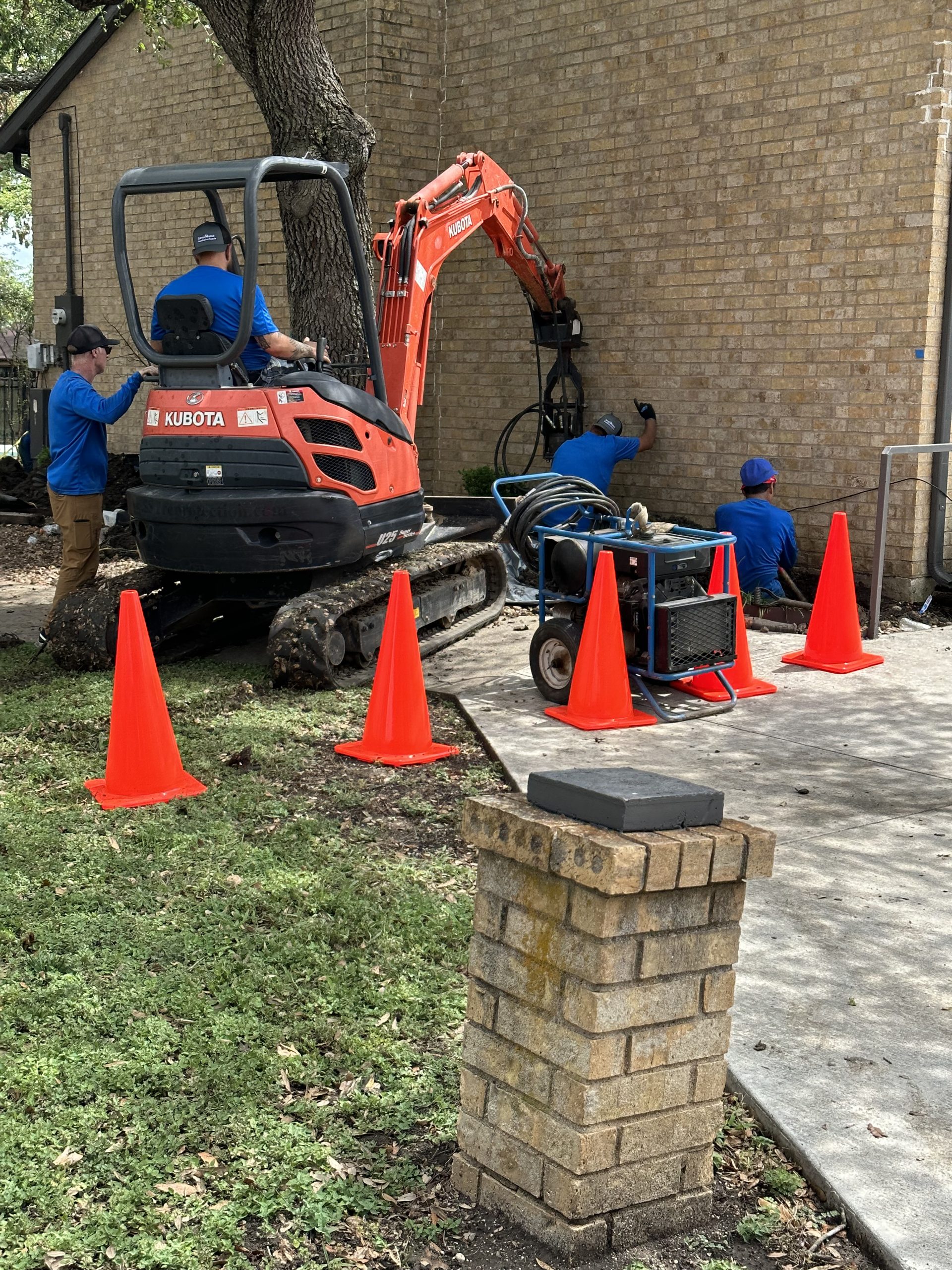
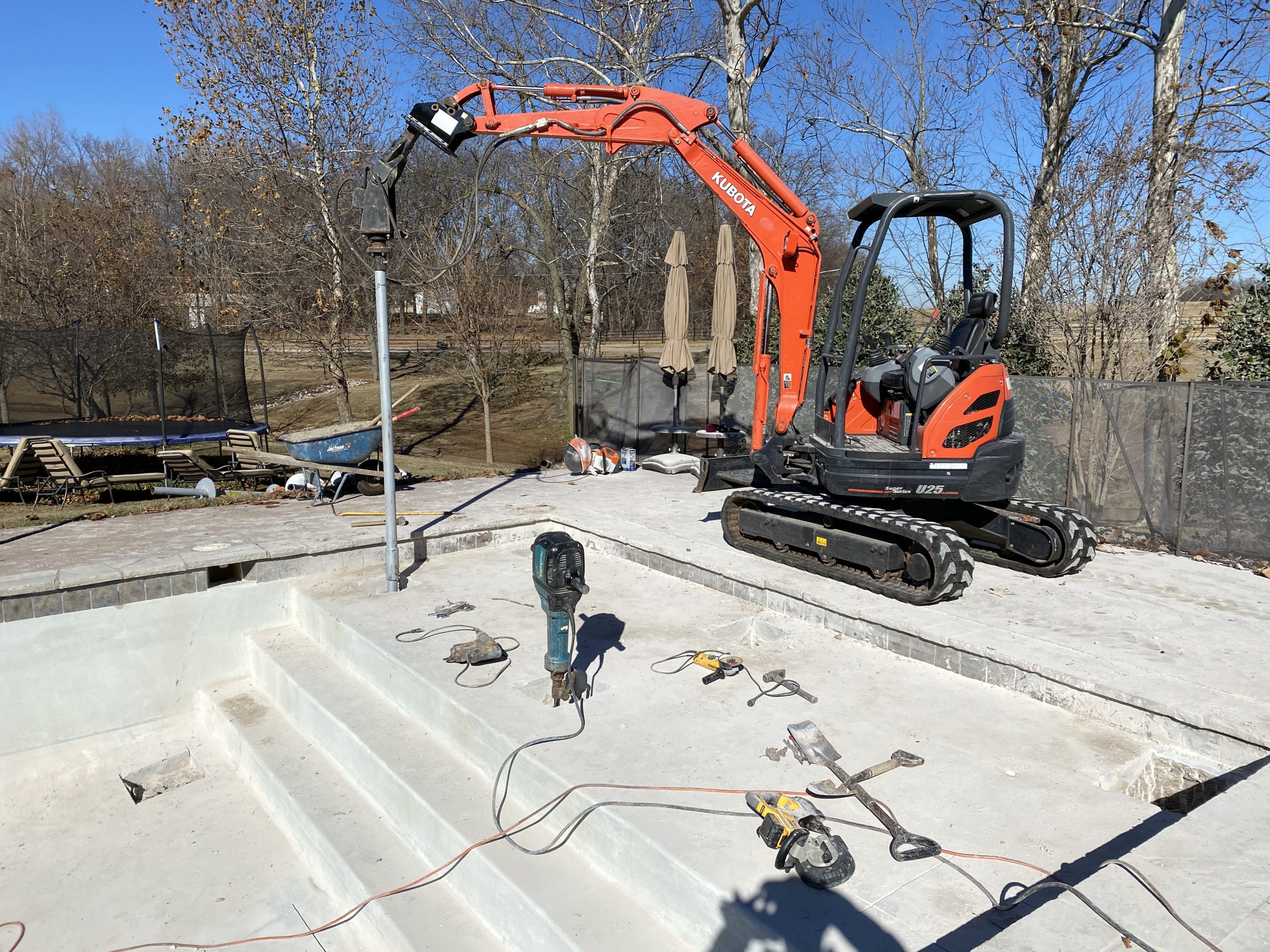
Helical piers — also called screw piles or helical anchors — are steel shafts fitted with one or more helical (spiral-shaped) plates welded along the shaft. Think of them as giant screws engineered for structural support. During installation, each pier is hydraulically rotated into the ground, with the helical plates pulling the shaft deeper into stable, load-bearing soil.
This is fundamentally different from how push piers work. Push piers rely on the weight of the existing structure as a reaction force to drive steel pipe segments straight down to bedrock or competent strata. Helical piers, on the other hand, generate their own advancing force through the screw action — which means they don’t need a heavy structure above them to be installed.
This distinction makes helical piers uniquely versatile. They can be installed under lighter structures, in areas with limited access, and even before a building is constructed — something push piers simply can’t do.
When Helical Piers Are the Right Choice
Not every foundation problem calls for the same solution. Here in the Tulsa area, our expansive clay soils shift dramatically with seasonal moisture changes — swelling during our wet springs and contracting through dry summers. Helical piers are often the ideal choice in these scenarios:
- Lighter residential structures — Homes, additions, porches, and sunrooms that don’t have enough dead weight for push pier installation
- New construction (pre-construction support) — Install foundation support before the structure is built, preventing settlement issues from day one
- Areas where push piers can’t reach adequate depth — When soil conditions require a different approach to reach stable bearing strata
- Interior applications — Limited headroom or tight spaces where push pier equipment may not fit effectively
- Limited access areas — Tight lots, close property lines, or landscaping constraints that restrict heavy equipment
- Commercial and light industrial structures — Commercial foundation projects often benefit from helical pier versatility
During your free inspection, our team evaluates your specific soil conditions, structure type, and foundation issues to determine whether helical piers, push piers, or another solution is the right call. We’ll never sell you something you don’t need.
Helical Piers vs. Push Piers: Understanding the Difference
Both helical piers and push piers are proven, effective methods for stabilizing and lifting foundations. The best choice depends on your specific situation. Here’s how they compare:
| Feature | Helical Piers | Push Piers |
|---|---|---|
| How They Work | Screwed (rotated) into the ground via helical plates | Hydraulically pushed straight down using structure weight |
| Requires Structure Weight? | No — works independent of structure weight | Yes — uses building load as reaction force |
| Best For | Lighter structures, new construction, limited access | Heavier structures, reaching deep bedrock |
| Pre-Construction Use? | Yes — ideal for installation before building | No — requires existing structure |
| Installation | Hydraulically rotated with torque monitoring | Hydraulically driven with depth/pressure monitoring |
| Load Testing | Torque-to-capacity correlation during install | Load tested at installation |
The bottom line: both systems work. At Level Home, we install both steel push piers and helical piers, and we’ll recommend whichever is right for your specific foundation, soil, and structure. Our goal is to fix your problem correctly — not push the most expensive option.
Pre-Construction Helical Pier Installation
One of the most valuable applications for helical piers in the Tulsa area is pre-construction support. If you’re building a new home or structure on Oklahoma’s expansive clay soil, you already know foundation movement is a matter of when, not if.
Level Home installs helical piers before your structure is built, providing deep foundation support from day one. This means your new home’s foundation is anchored into stable soil before the first wall goes up — preventing the settlement, cracking, and costly repairs that so many Tulsa-area homeowners deal with years after construction.
Pre-construction helical pier installation is especially smart for:
- New residential builds on known expansive clay soil
- Additions or extensions to existing homes
- Light commercial structures in areas with poor soil conditions
- Any project where proactive foundation protection is more cost-effective than reactive repair
If you’re a builder, contractor, or homeowner planning new construction, reach out for a consultation to discuss whether pre-construction piers make sense for your project.
Our Helical Pier Installation Process
Every helical pier project at Level Home follows a thorough, engineered process — no shortcuts, no guesswork.
1. Site Assessment & Free Inspection
We start with a comprehensive evaluation of your property — examining your foundation, measuring elevations, identifying soil conditions, and documenting existing damage. This inspection is completely free with no obligation. If you’ve already had an engineer’s report, we’ll reimburse that cost — it’s one of the ways we make the process easier for homeowners.
2. Custom Engineering & Pier Design
Based on the assessment, we design a helical pier layout specific to your foundation’s needs. This includes determining the number of piers, optimal placement, shaft diameter, helical plate configuration, and target installation depth/torque. No two projects are identical.
3. Hydraulic Installation
Our crew hydraulically rotates each helical pier into the ground, monitoring torque throughout the installation. Torque readings directly correlate to the pier’s load-bearing capacity — giving us real-time verification that each pier has reached competent soil and can support the required load.
4. Load Testing & Verification
Every pier is verified for capacity during installation. We don’t guess — we measure and confirm.
5. Before & After Documentation
We take detailed before and after measurements of your foundation so you can see exactly what was accomplished. These measurements also serve as a baseline for our ongoing monitoring — because after we complete your project, we provide free annual Home Health Care Checks to monitor for any movement and compare readings over time.
Helical Pier Pricing in Tulsa
Helical pier pricing depends on your project’s specific requirements — including the number of piers needed, shaft size, depth of installation, helical plate configuration, and site access conditions. At Level Home, steel pier projects (including helical piers) typically range from $650 to $1,050 per pier, with the variation depending on bracket style, pipe size, and load requirements. Most residential projects fall in the $5,000 to $15,000 range.
We provide a detailed, transparent estimate during your free inspection — no hidden fees, no pressure to commit on the spot.
Financing Options
Don’t let cost prevent you from protecting your home. We offer multiple financing options with 0% interest for 12 months for qualified applicants. You can pre-qualify right on site during your inspection — no separate trips or paperwork hassles. We work with multiple lenders, including Arvest Bank, a popular local bank many Tulsa-area customers already use.
We also offer military, first responder, senior, and student discounts — because we believe in taking care of the people who take care of our community.
Warranty Protection
Our steel pier installations — including helical piers — come with a 20-year transferable warranty. That means the warranty stays with the home, not the homeowner, at absolutely no transfer fee. If you sell your home, the new owner inherits the full warranty protection — which adds real value at resale.
The warranty covers adjustments that may be needed over time, and our team comes out free of charge anytime you have concerns. Combined with our free annual Home Health Care Checks — where we compare current measurements to your before-and-after baseline — you get long-term peace of mind that your foundation is being watched and protected.
Helical Pier Cost in Tulsa
Helical pier installation ranges from $1,400–$2,200 per pier, with most residential projects totaling $6,000–$18,000. Helical piers can be more cost-effective than push piers in certain soil conditions and are ideal for new construction and lighter structures. Our free inspection includes a detailed cost breakdown.
Financing options available to fit any budget.
Ready to get your foundation assessed?
Schedule Your Free Inspection Online →
or call (918) 361-7787
Frequently Asked Questions About Helical Piers
How long does helical pier installation take?
Most residential helical pier projects are completed in one to two days, depending on the number of piers and site conditions. The installation process is relatively quick because helical piers are screwed into place hydraulically without the need for extensive excavation or concrete curing time.
Are helical piers better than push piers?
Neither is universally “better” — they’re different tools for different situations. Helical piers excel for lighter structures, new construction, and limited-access areas. Push piers are often better for heavier structures where you need to reach deep bedrock. At Level Home, we install both and recommend whichever is genuinely right for your specific foundation. Read more about our steel push pier services.
Can helical piers be installed in Oklahoma’s clay soil?
Absolutely. Helical piers are well-suited for Oklahoma’s challenging expansive clay because the helical plates anchor into stable soil below the active zone — the upper layer that expands and contracts with moisture changes and freeze-thaw cycles. The piers bypass the problematic clay and transfer your foundation’s load to competent bearing strata below.
How much do helical piers cost in the Tulsa area?
Steel pier projects (including helical piers) at Level Home range from $650 to $1,050 per pier depending on specifications, with most residential projects totaling $5,000 to $15,000. We provide free, no-obligation estimates and offer 0% interest financing for 12 months. Schedule your free estimate here.
Do helical piers come with a warranty?
Yes. Level Home’s helical pier installations are covered by a 20-year transferable warranty at no transfer fee. The warranty includes adjustments and we provide free annual Home Health Care Checks to monitor your foundation over time. We also come out free anytime you have a concern — no questions asked.
Schedule Your Free Helical Pier Assessment
Whether you’re dealing with foundation settlement or planning new construction on Oklahoma clay soil, Level Home will evaluate your situation and recommend the right solution — not just the most expensive one. Every inspection is free, every estimate is honest, and we’ll even reimburse your engineer’s report fee.
Schedule Your Free Inspection Online →
Serving Tulsa, Owasso, Jenks, Bixby, Sand Springs, and surrounding communities.
📚 Related Resources
Helical piers are an ideal solution for pier and beam foundation repair in Tulsa. Their screw-in design provides immediate load capacity — perfect for stabilizing settling pier and beam homes on Oklahoma’s expansive clay soils.