Why Are the Floors in My Tulsa Home Uneven? Common Causes and Foundation Repair Solutions
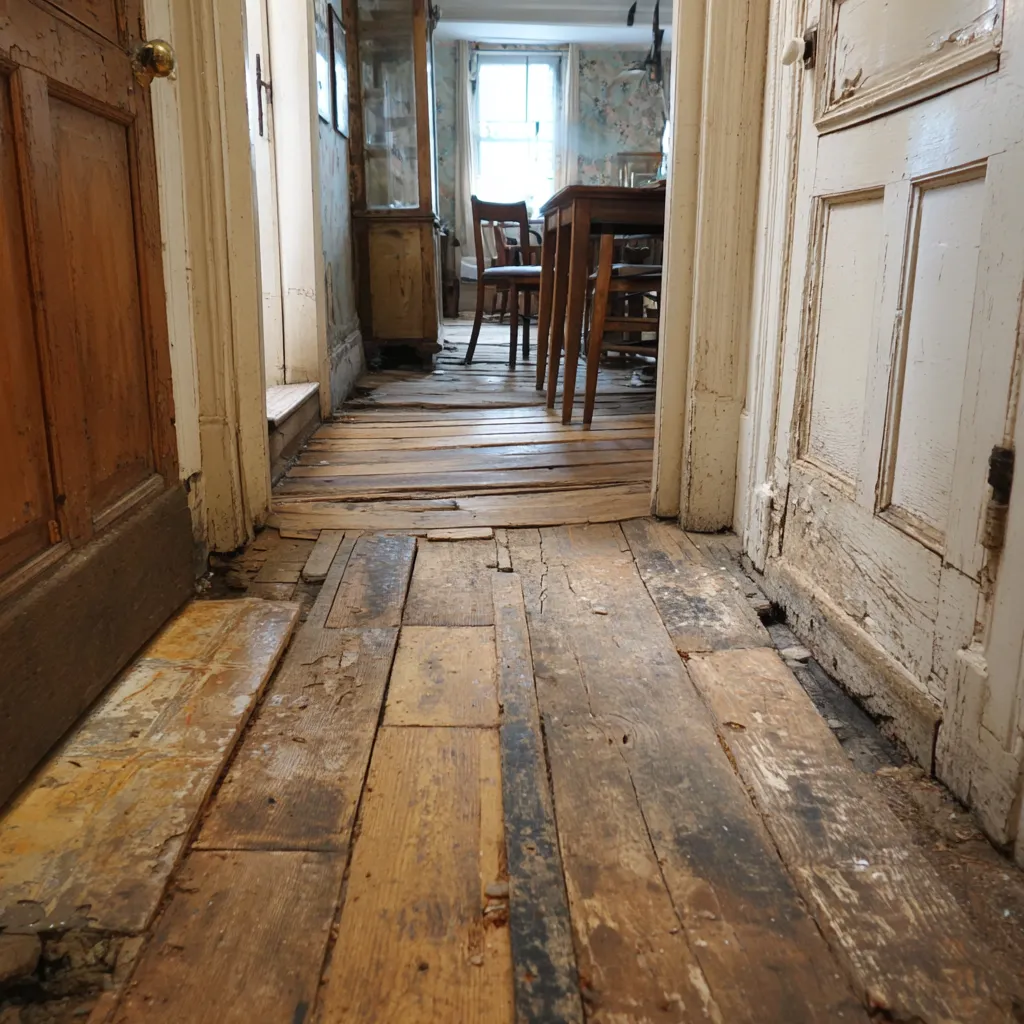
If you’ve ever set a ball on the floor and watched it roll to one side, or noticed your doors sticking and your furniture wobbling, you’re not alone. Uneven floors are one of the most common complaints from homeowners across Tulsa and northeastern Oklahoma — and for good reason. Our region’s expansive clay soil creates the perfect conditions for foundation movement that gradually throws floors out of level. But how do you know when sloping floors are a cosmetic nuisance versus a sign of serious structural damage? In this guide, we’ll explain why so many Tulsa homes develop uneven floors, what causes the problem, and when it’s time to call a professional for foundation repair in Tulsa.
Why Tulsa Homes Are Especially Prone to Uneven Floors
If you’ve lived in Tulsa long enough, you know the weather can swing from drought to downpour in a matter of days. This matters more than most homeowners realize because Tulsa sits on some of the most expansive clay soil in the country. When it rains, that clay absorbs moisture and swells — sometimes expanding by 10% or more. When it dries out during Oklahoma’s brutal summers, the soil shrinks and pulls away from your foundation.
This constant cycle of swelling and shrinking creates uneven pressure beneath your home’s foundation. Over months and years, certain sections settle more than others, and your once-level floors begin to slope. Older homes in neighborhoods like Midtown, Brookside, and Maple Ridge are especially susceptible because they were built on soils that have been going through these cycles for decades.
The problem is not unique to Tulsa — a popular Reddit discussion about uneven floors in another clay-soil region drew nearly 100 comments from homeowners experiencing the same frustrations. The consensus? Clay soil regions across the country share this problem, but Oklahoma’s extreme temperature swings make it especially severe here.
7 Common Causes of Uneven Floors in Oklahoma Homes
- Expansive clay soil movement — As described above, the shrink-swell cycle of Oklahoma’s clay soil is the #1 cause of uneven floors in the Tulsa metro area.
- Poor drainage around the foundation — When water pools near your foundation instead of flowing away, it saturates the soil on one side, causing differential settlement. Clogged gutters and improper grading are common culprits.
- Plumbing leaks beneath the slab — A hidden slab leak can erode soil under one section of your foundation, creating voids that cause floors to dip. Tulsa homes built in the 1960s–1980s with cast iron pipes are particularly vulnerable.
- Tree roots affecting soil moisture — Large trees near your foundation draw massive amounts of moisture from the soil, causing it to shrink unevenly. This is especially common with oak and elm trees throughout Tulsa neighborhoods.
- Original construction issues — Some homes were built on poorly compacted fill soil. Over time, that fill compresses unevenly, and the foundation follows.
- Pier and beam deterioration — Many older Tulsa homes sit on pier and beam foundations. Wooden supports can rot, shift, or settle over time, leading to uneven floors above.
- Seasonal moisture fluctuations — Oklahoma’s dramatic wet-dry cycles (we can get 40+ inches of rain one year and experience drought conditions the next) create constant stress on foundations.
Warning Signs That Uneven Floors Mean Foundation Trouble
Not every sloping floor indicates a serious foundation problem — but many do. Here are the warning signs that suggest your uneven floors are connected to foundation settlement and need professional evaluation:
- Floors that slope more than ½ inch over 10 feet — A slight slope may be normal in older homes, but anything beyond this threshold warrants inspection.
- Cracks in drywall, especially near doors and windows — Diagonal cracks radiating from corners of door frames are a classic sign of foundation movement.
- Doors and windows that stick or won’t close properly — When the foundation shifts, door frames go out of square.
- Gaps between walls and ceiling or walls and floor — Visible separation indicates structural movement.
- Cracked or heaving floor tiles — Tile is rigid and will crack when the slab beneath it moves.
- Exterior brick cracks in a stair-step pattern — This classic pattern follows the mortar joints and indicates foundation settlement.
- The problem is getting worse over time — Foundation issues rarely fix themselves. If you’re noticing the slope increasing, act quickly.
If you’re seeing two or more of these signs alongside uneven floors, it’s time to get a professional assessment. At Level Home Foundation Repair, we provide honest evaluations — if your home doesn’t need repair, we’ll tell you. We’ve built our reputation on integrity, not selling unnecessary work.
Foundation Repair Solutions for Uneven Floors in Tulsa
The right solution depends on your foundation type, the severity of settlement, and what’s causing the problem. Here are the most common approaches used for foundation repair Tulsa homeowners can rely on:
Steel Piers (Push Piers)
Steel piers are driven deep into stable soil or bedrock beneath the foundation, then used to lift the settled section back toward its original position. This is the gold standard for permanent foundation stabilization in Oklahoma’s clay soil. Steel piers bypass the problem soil entirely, anchoring your foundation to stable ground 15–30 feet below the surface.
Poly Foam Injection (Concrete Leveling)
For slab foundations with minor settling or voids beneath the concrete, poly foam lifting can fill gaps and raise the slab back to level. This is a less invasive option that works well for targeted areas like garage floors, porches, and sidewalks.
Crawl Space Repair
If your home sits on a crawl space foundation, uneven floors may be caused by deteriorating supports, moisture damage, or shifting piers. Crawl space repair can include replacing supports, adding supplemental piers, and encapsulating the space to prevent future moisture problems.
Drainage Correction
Sometimes the first step in fixing uneven floors is addressing the root cause — water. Proper foundation drainage systems prevent the moisture imbalances that cause soil to swell and shrink unevenly beneath your home.
As a company that has expanded service across 21 Oklahoma cities, Level Home Foundation Repair brings over 15 years of experience solving foundation problems specific to our region’s challenging soil conditions.
Frequently Asked Questions About Uneven Floors
How much does it cost to fix uneven floors caused by foundation problems?
Foundation repair costs in Tulsa typically range from $3,000 to $15,000 depending on the severity and number of piers needed. Minor settling may only require a few piers ($1,000–$3,000 each), while extensive settlement can cost more. Level Home Foundation Repair offers free inspections and honest estimates.
Can uneven floors fix themselves over time?
No. Foundation settlement is progressive — floors that are uneven today will almost certainly become more uneven over time as soil conditions continue to cycle. Early intervention is always less expensive than waiting.
Should I hire a structural engineer or a foundation repair company first?
Either approach works. A structural engineer provides an unbiased assessment, while a reputable foundation repair company like Level Home will give you an honest evaluation at no cost. We never recommend repairs that aren’t needed.
Are uneven floors dangerous?
Severely uneven floors can be a tripping hazard, but the bigger concern is what they indicate — progressive foundation failure that can affect your home’s structural integrity, plumbing, and resale value.
Don’t Ignore Uneven Floors — Get a Free Foundation Inspection
Uneven floors in Tulsa homes are incredibly common thanks to our expansive clay soil, but that doesn’t mean you should ignore them. The earlier you identify and address foundation settlement, the simpler and more affordable the fix. Level Home Foundation Repair has restored over 3,000 homes across the Tulsa metro area with honest assessments and proven repair solutions.
Contact Level Home Foundation Repair today for a FREE foundation inspection:
- 📞 Call: (918) 361-7787
- 🌐 Visit: levelhomefoundationrepair.com
- 📍 Serving: Tulsa, Broken Arrow, Owasso, Bixby, Jenks, and 21 Oklahoma communities
→ Related: Learn more about our concrete leveling
→ Related: Learn more about our free foundation inspection
→ Related: Learn more about our slab foundation repair