Can a Slab Leak Damage Your Foundation? What Every Tulsa Homeowner Needs to Know
You’re standing in your kitchen on a Tuesday morning and notice something odd — the tile floor feels warm in one spot. Or maybe your water bill just came back $80 higher than last month for no clear reason. If you own a slab-foundation home in Tulsa, Oklahoma, these seemingly small clues could signal a big problem hiding beneath your feet: a slab leak.
Most Tulsa homes are built on concrete slab foundations. The plumbing lines run underneath that slab, completely hidden from view. When one of those pipes develops a leak, the water has nowhere to go but into the soil directly beneath your home. In a state dominated by highly expansive clay soil, that’s a recipe for serious — and expensive — foundation damage.
In this guide, we’ll walk you through exactly how slab leaks cause foundation damage, the warning signs to watch for, why Tulsa’s soil makes the problem worse, and what to do if you suspect a leak. If you’ve been searching for expert foundation repair Tulsa homeowners trust, this is the kind of knowledge that can save you thousands of dollars and months of stress.
What Is a Slab Leak, Exactly?
A slab leak occurs when a water supply line or drain pipe running beneath your concrete slab foundation develops a crack, pinhole, or joint separation that allows water to escape into the surrounding soil. Because the pipes are buried under 4 to 6 inches of concrete, these leaks are invisible until secondary symptoms appear.
Common Causes of Slab Leaks in Tulsa Homes
- Pipe corrosion: Copper supply lines — common in homes built from the 1960s through the 1990s — corrode over time, especially when the water has high mineral content. Tulsa’s municipal water is moderately hard, which accelerates this process.
- Soil movement and shifting: Oklahoma’s expansive clay soil swells when wet and shrinks when dry. This constant cycle puts physical pressure on pipes, eventually cracking joints or bending connections.
- Poor original installation: Pipes that were kinked, poorly soldered, or inadequately bedded during construction may fail decades later.
- Abrasion: Hot water lines expand slightly with temperature changes, rubbing against gravel or the underside of the slab. Over years, this friction wears through the pipe wall.
- Tree root intrusion: Mature trees planted near the home can send roots under the slab seeking water, cracking drain lines in the process.
How a Slab Leak Causes Foundation Damage in Tulsa
Here’s where Tulsa’s geology turns a plumbing problem into a structural nightmare. The greater Tulsa metro area sits on some of the most expansive clay soil in the United States. The Oklahoma Geological Survey classifies much of the region’s soil as having “high shrink-swell potential.” That means the soil dramatically changes volume depending on its moisture content.
The Clay Soil Chain Reaction
- Water saturates the soil beneath one area of the slab. The leak creates a localized pocket of extremely wet soil directly under the foundation.
- The clay expands — but unevenly. While the area around the leak swells, the rest of the soil under the home remains at its normal moisture level. This creates what engineers call differential settlement — one section of the foundation is being pushed upward while the rest stays in place.
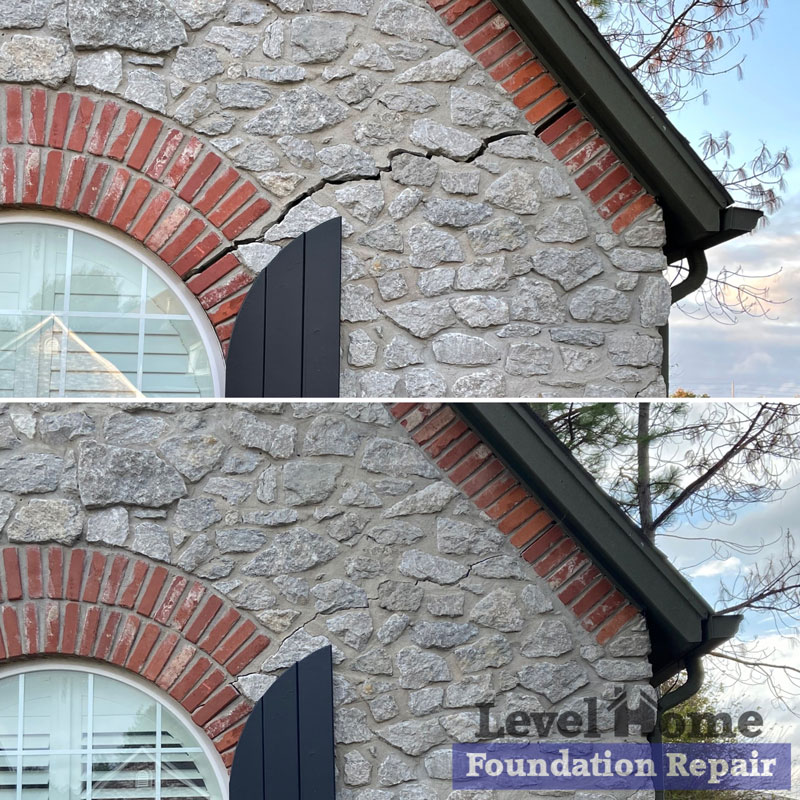
- The slab bends, cracks, or heaves. Concrete is strong in compression but weak in tension. When one area is pushed up by swelling soil while an adjacent area isn’t, the slab develops cracks, often starting at stress points like corners and doorways.
- Structural damage spreads throughout the home. As the slab distorts, the load-bearing walls sitting on it shift. This is when you start seeing cracks in drywall, doors that won’t close, and gaps between walls and ceilings.
In severe cases, a slab leak that goes undetected for months can cause the kind of foundation damage that requires steel pier installation to stabilize — a much more extensive repair than simply fixing the plumbing.
The Flip Side: Erosion and Void Formation
Not all Tulsa soils are pure clay. In some areas — particularly near river bottoms in neighborhoods like River Parks, Brookside, and parts of south Tulsa — the soil has a higher sand or silt content. In these soils, a slab leak doesn’t cause swelling. Instead, the water washes away the soil supporting the slab, creating voids. When the concrete loses its support, it sinks or cracks downward. The result is the same: foundation damage, just through a different mechanism.
10 Warning Signs of a Slab Leak in Your Tulsa Home
Slab leaks are sneaky. They can go undetected for weeks or even months. But if you know what to look for, you can catch them early — before they cause serious foundation damage. Watch for these signs:
- Unexplained spike in your water bill. A slab leak can waste 20 to 50+ gallons of water per day. If your Tulsa Utilities bill jumped significantly without a change in usage, a hidden leak may be the culprit.
- Warm or hot spots on the floor. Hot water line leaks create noticeable warm areas on tile, vinyl, or hardwood floors — particularly in kitchens and bathrooms.
- Sound of running water when nothing is on. If you hear a faint hissing or the sound of water flowing when all fixtures are off, water is going somewhere it shouldn’t.
- Damp or wet carpet or flooring. Moisture wicking up through the slab creates damp patches, especially in rooms closest to the leak.
- Mold or mildew smell. The trapped moisture under and around the slab promotes mold growth. You may smell it before you see any visible signs.
- Cracks in the slab floor. New cracks appearing in your garage floor, entryway tile, or exposed concrete are a red flag.
- Cracks in interior walls. Diagonal cracks near door frames and window corners indicate foundation movement, which can be triggered by a slab leak.
- Doors and windows that suddenly stick. When the foundation shifts, door and window frames go out of square. If a door that always closed smoothly suddenly sticks, pay attention.
- Low water pressure. A significant leak diverts water away from your fixtures, causing a noticeable drop in pressure.
- Foundation heaving or visible upheaval. In extreme cases, the swelling soil pushes sections of the slab upward, creating noticeable bumps or slopes in your flooring.
Pro tip: Here’s a simple test. Turn off every water-using appliance and fixture in your home. Go look at your water meter. If it’s still spinning, you have a leak somewhere. If you can’t account for it with a toilet or outdoor faucet, it may be under the slab.
Foundation Repair in Tulsa: How Slab Leak Damage Is Fixed
If a slab leak has already caused foundation damage, here’s the general process for getting your home back to solid ground:
Step 1: Fix the Plumbing Leak First
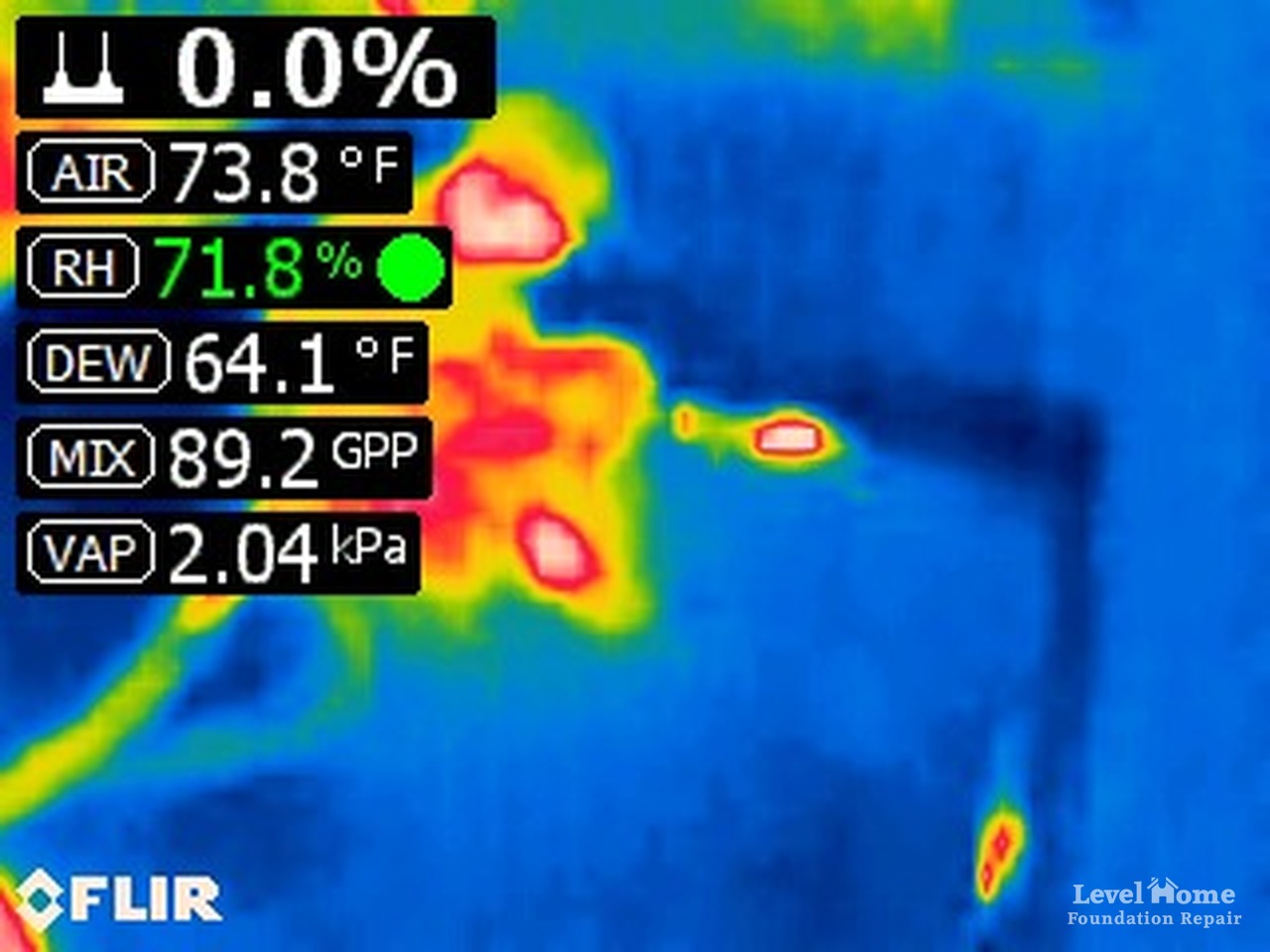
Before any foundation work begins, the source of the water must be stopped. A licensed plumber will locate the leak using electronic listening equipment or thermal imaging, then repair or reroute the damaged pipe. Common solutions include:
- Spot repair: Cutting through the slab to access and replace the damaged pipe section. Costs typically range from $1,500 to $4,000 in the Tulsa area.
- Pipe rerouting: Running new lines through the walls or attic to bypass the under-slab plumbing entirely. This is often preferred for older homes with galvanized or deteriorating copper pipes.
- Epoxy pipe lining: A trenchless method that coats the interior of existing pipes. Best for minor corrosion damage.
Step 2: Assess the Foundation Damage
Once the leak is repaired, a foundation specialist evaluates the extent of the damage. At Level Home Foundation Repair, we provide free, honest inspections. We use floor-level measurements and a thorough visual assessment to determine:
- How much the slab has moved (heaved or settled)
- Whether the damage is localized or has affected the entire structure
- What repair method will restore the foundation to proper condition
Important: An honest foundation company will tell you when the slab needs time to dry and settle before repairs can begin. After a significant leak, the oversaturated soil needs time to normalize. Jumping into pier installation while the soil is still swollen can lead to inaccurate readings and improper repairs. We’ll be upfront about timing — even if it means waiting.
Step 3: Foundation Repair
Depending on the type and extent of damage, repair options may include:
- Steel push piers: Driven to load-bearing bedrock or stable strata, these permanently stabilize the foundation. Best for settlement caused by soil washout beneath the slab.
- Helical piers: Screw-type piers ideal for lighter structures or areas where push piers can’t reach adequate depth.
- Poly foam injection: High-density polyurethane foam is injected beneath the slab to fill voids and lift settled sections. Ideal when the damage is limited to isolated sinking with no major structural cracking.
- Foundation drainage systems: If the leak contributed to ongoing drainage issues around the foundation, a French drain or surface drain system may be recommended to prevent future moisture problems.
What Foundation Repair Costs After a Slab Leak
Here are general cost ranges for foundation repair in the Tulsa metro area when slab leak damage is involved:
| Repair Type | Typical Cost Range |
|---|---|
| Plumbing leak repair (spot) | $1,500 – $4,000 |
| Plumbing reroute | $3,000 – $8,000 |
| Steel pier installation (per pier) | $1,200 – $1,800 |
| Poly foam slab lifting | $2,000 – $6,000 |
| Full foundation stabilization (10–15 piers) | $12,000 – $25,000+ |
Prices vary based on the number of piers needed, accessibility, and the extent of damage. Level Home provides free estimates with transparent pricing — no surprises.
Why Slab Leaks Are Especially Dangerous on Tulsa Clay Soil
We’ve mentioned Oklahoma’s clay soil several times, and there’s a reason: it’s the single biggest factor that turns a minor plumbing leak into a major foundation emergency.
According to the Oklahoma Geological Survey, the soils in the Tulsa metropolitan area — particularly in midtown, south Tulsa, Broken Arrow, and Bixby — have a high plasticity index, meaning they undergo significant volume changes with moisture fluctuations. A slab leak introduces constant, localized moisture into this system, creating the worst possible scenario:
- The soil under the leak swells continuously while surrounding soil remains at normal moisture
- This creates extreme differential movement — sometimes pushing one area of the slab up by an inch or more while adjacent areas stay put
- The resulting stress on the slab exceeds its tensile strength, causing cracks
- Once the slab cracks, the leak worsens as water now has direct paths into the soil
It becomes a self-reinforcing cycle: the leak causes movement, the movement causes cracks, and the cracks let more water through. Early detection is everything.
How to Prevent Slab Leak Foundation Damage
While you can’t always prevent a pipe from failing, you can minimize the risk and catch problems early:
- Monitor your water bill monthly. Set up usage alerts through Tulsa Utilities. Any unexplained increase of 15% or more warrants investigation.
- Schedule regular plumbing inspections. Homes over 20 years old should have a plumbing inspection every 3 to 5 years, especially if the original copper or galvanized pipes haven’t been replaced.
- Manage soil moisture around your foundation. Keep sprinklers at least 18 inches from the foundation. Ensure gutters discharge water at least 4 feet from the house. Consider a foundation drainage system if water pools near your home.
- Control tree placement. Large trees should be planted at a distance equal to their expected mature canopy width from the foundation.
- Address small cracks early. Hairline cracks in your slab or walls may not be emergencies today, but they should be monitored. If they grow, it’s time for a professional foundation inspection.
- Know your home’s age and plumbing materials. Homes built before 1985 in the Tulsa area often have cast iron drain lines, which are prone to corrosion and root intrusion. Homes from the 1960s–1980s commonly have copper supply lines that may be approaching the end of their lifespan.
Frequently Asked Questions About Slab Leaks and Foundation Damage
Can a small slab leak really damage my foundation?
Yes. Even a slow, pinhole-sized leak can introduce hundreds of gallons of water into the soil over weeks or months. On Tulsa’s clay soil, that’s enough to cause measurable foundation heaving or settlement. Small leaks often cause more cumulative damage than large ones because they go undetected longer.
How do I know if my foundation damage was caused by a slab leak?
Look for patterns: If the damage — cracked walls, sticking doors, uneven floors — is concentrated in one area of the home (especially near kitchens or bathrooms), a slab leak is a strong suspect. A foundation professional can evaluate the pattern of movement and recommend a plumbing inspection if a leak is suspected.
Does homeowners insurance cover slab leak foundation damage?
It depends on your policy. Most standard homeowners policies cover sudden and accidental water damage but exclude damage from gradual leaks or poor maintenance. However, if a pipe suddenly bursts and damages the foundation, you may have coverage. Always document the damage and contact your insurer promptly. Many Tulsa homeowners find that the plumbing repair is partially covered while the foundation repair is not.
Should I fix the plumbing or the foundation first?
Always fix the plumbing first. There’s no point in stabilizing a foundation while water is still actively undermining the soil beneath it. Once the leak is stopped and the soil has had time to normalize, then foundation repair can be performed accurately.
How long does foundation repair take after a slab leak?
The plumbing repair typically takes 1 to 3 days. After that, we recommend allowing 2 to 8 weeks for the soil to stabilize before proceeding with foundation repair (depending on the severity of the leak and weather conditions). The foundation repair itself usually takes 1 to 3 days for most residential projects.
Don’t Let a Hidden Leak Destroy Your Foundation
Slab leaks are one of the most common — and most overlooked — causes of foundation damage in Tulsa and the surrounding communities. The combination of hidden plumbing, expansive clay soil, and Oklahoma’s extreme weather cycles creates a perfect storm for structural problems.
The good news? Catching a slab leak early and addressing the foundation damage promptly can save you tens of thousands of dollars. And when you work with a foundation company that gives honest assessments — one that won’t recommend repairs you don’t need — you can trust that you’re making the right investment in your home.
At Level Home Foundation Repair, we’ve been serving Tulsa homeowners for over 15 years with integrity-first service. We’ve restored more than 3,000 homes across the Tulsa metro area, and we’d be honored to help you too.
Worried about a slab leak or foundation damage? Contact Level Home Foundation Repair for a FREE inspection and honest assessment.
- 📞 Call: (918) 361-7787
- 🌐 Visit: levelhomefoundationrepair.com
- 📍 Serving: Tulsa, Broken Arrow, Owasso, Bixby, Jenks, Sand Springs, and surrounding areas
Building a foundation of trust in our community through honesty, integrity, & innovation.