Why Midtown Tulsa Homes Are Especially Vulnerable to Water Damage
If you own one of the beautiful craftsman bungalows or mid-century homes that line the streets of Midtown Tulsa — from the neighborhoods around Utica Square to the tree-lined blocks of Maple Ridge and Brookside — you probably already know that older homes come with unique challenges. One of the biggest? Water damage near your foundation. Learn more about our concrete leveling services.
Midtown Tulsa’s charm is partly its mature landscaping and older construction. But many of these homes were built in the 1920s through 1960s, long before modern drainage standards existed. Combine that with Oklahoma’s expansive clay soil — which swells dramatically when wet and shrinks when dry — and you have a recipe for moisture intrusion that can threaten your foundation, crawl space, and entire home structure.
Whether you’ve noticed damp spots in your crawl space, musty odors rising from under your floors, or standing water near your foundation after a thunderstorm, this guide will walk you through exactly what’s happening and how to fix it. And if you need professional help, foundation repair Tulsa experts at Level Home Foundation Repair offer free inspections to assess your situation honestly.
Understanding Oklahoma’s Clay Soil and Water Problems
Oklahoma sits on some of the most reactive clay soil in the United States. In Midtown Tulsa specifically, the soil composition is predominantly high-plasticity clay that can expand up to 15% when saturated. During Oklahoma’s wet spring season (March through June), this soil absorbs enormous amounts of moisture. Then during our dry, hot summers, it contracts and pulls away from your foundation — creating gaps where water can channel directly against your home’s structure.
This cycle of swelling and shrinking is called differential settlement, and it’s the primary reason Tulsa homeowners experience:
- Cracks in interior walls and ceilings — especially near doors and windows
- Doors and windows that stick or won’t close properly — indicating the frame is shifting
- Standing water near the foundation — pooling after rain instead of draining away
- Musty, damp odors — especially from crawl spaces or lower floors
- Efflorescence (white mineral deposits) — on foundation walls or crawl space block
For Midtown homeowners, these issues are particularly common because many homes have shallow foundations and older drainage systems (or no drainage systems at all).
7 Steps to Protect Your Midtown Tulsa Home From Water Damage
1. Fix Your Yard Grading
The soil around your foundation should slope away from your home at a rate of at least 6 inches over the first 10 feet. Many Midtown homes have settled over decades, and the grading has reversed — meaning water flows toward the foundation instead of away from it. A simple re-grading project using compacted clay fill can make a dramatic difference. Cost: typically $500–$2,000 depending on how much of the perimeter needs work.
2. Maintain Your Gutters and Downspouts
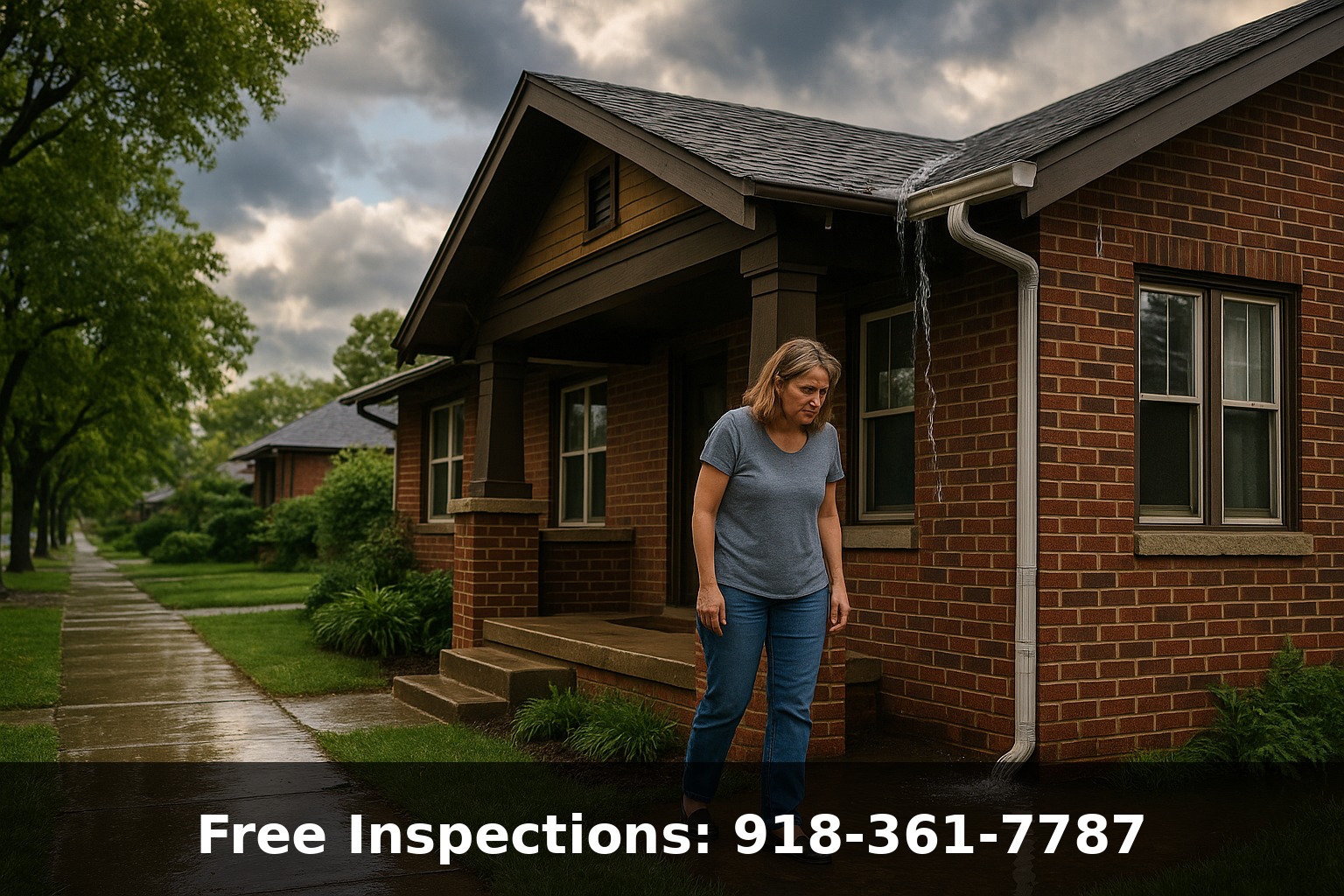
This sounds basic, but it’s the #1 cause of foundation moisture problems in Tulsa. Clogged gutters overflow and dump hundreds of gallons of water directly against your foundation during every storm. Ensure your gutters are clean and your downspouts extend at least 6–10 feet from the foundation. Consider underground downspout extensions that route water to the street or a dry well.
3. Install a French Drain System
For homes with persistent water pooling, a French drain or foundation drainage system is often the most effective long-term solution. These systems collect subsurface water before it reaches your foundation and channel it away through perforated pipe buried in gravel trenches. Level Home Foundation Repair installs custom drainage solutions designed specifically for Tulsa’s soil conditions.
4. Seal and Protect Your Crawl Space
Many Midtown Tulsa homes have crawl spaces that are essentially open to the elements — exposed dirt floors, minimal ventilation, and no moisture barrier. A professional crawl space repair and encapsulation involves installing a heavy-duty vapor barrier, improving drainage, and sometimes adding a dehumidifier. This protects your floor joists, subfloor, and the air quality in your entire home.
5. Check for Plumbing Leaks Under the Slab
Older Midtown homes often have original cast iron or galvanized plumbing that deteriorates over time. A slab leak can quietly saturate the soil beneath your foundation for months before you notice. Signs include unexplained increases in your water bill, warm spots on the floor, or the sound of running water when everything is turned off. If you suspect a slab leak, address it immediately — the water damage to your foundation compounds quickly.
6. Manage Trees and Landscaping Near Your Foundation
Midtown’s beautiful mature trees are one of the neighborhood’s best features — but large trees within 20 feet of your foundation can pull enormous amounts of moisture from the soil, causing the clay to shrink unevenly. You don’t need to remove trees, but consider installing root barriers and maintaining consistent moisture levels around your foundation with a soaker hose during dry periods.
7. Get a Professional Foundation Inspection
If you’re seeing any warning signs — cracks, sticking doors, moisture, or uneven floors — the smartest first step is a professional inspection. Foundation repair Tulsa specialists at Level Home Foundation Repair provide completely free inspections with honest assessments. We’ll tell you exactly what’s happening, what needs to be fixed, and — just as importantly — what doesn’t need to be fixed. We never recommend unnecessary repairs.
Foundation Repair in Tulsa: What It Costs to Fix Water Damage Issues
Transparency matters, so here are typical cost ranges for water-damage-related foundation work in the Tulsa area:
- Yard re-grading: $500–$2,000
- French drain installation: $2,500–$6,000
- Crawl space encapsulation: $3,000–$8,000
- Foundation crack repair: $500–$3,000 per crack
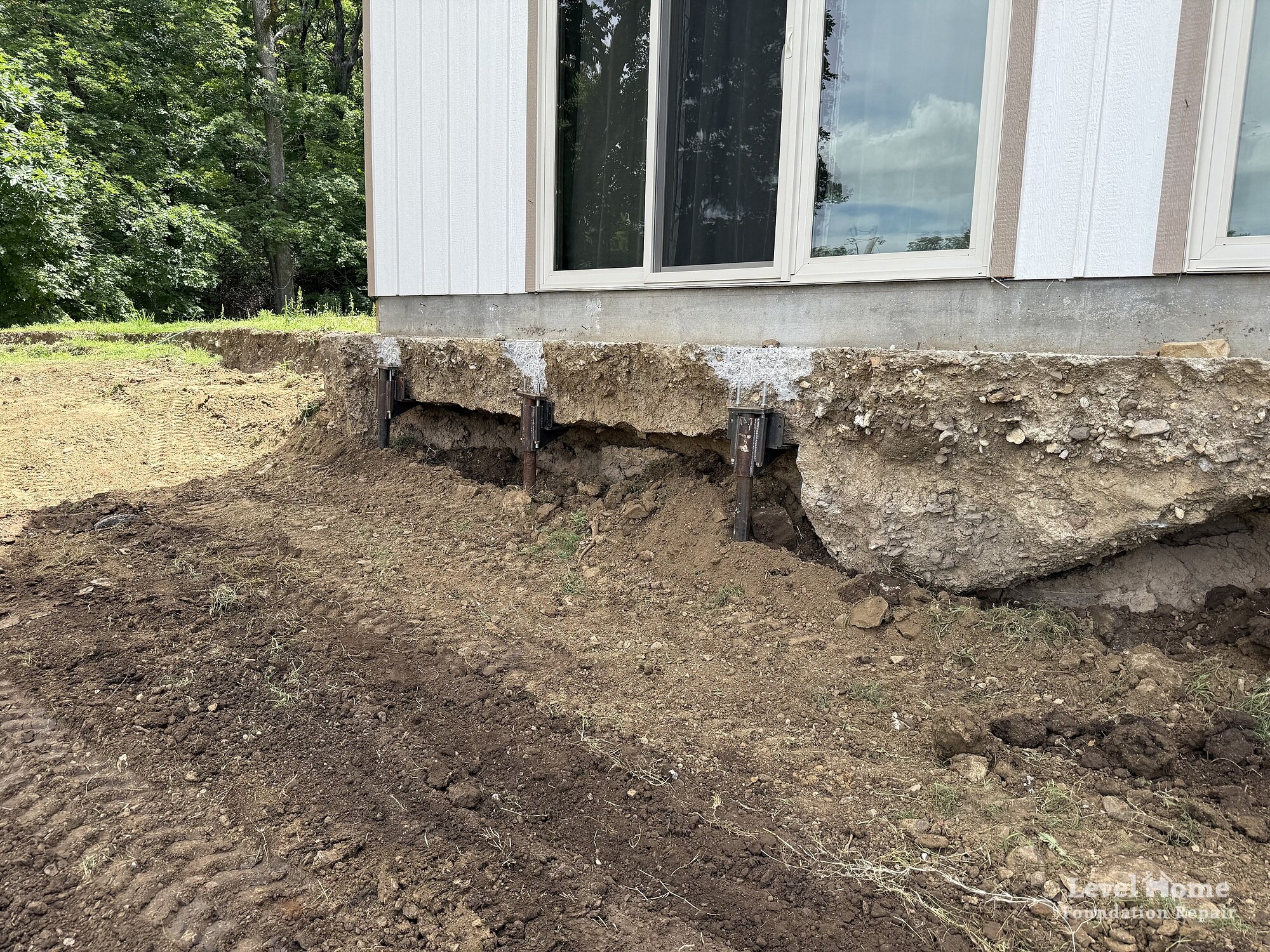
- Pier installation (if settlement has occurred): $1,200–$2,500 per pier
Every home is different, which is why a free inspection is the best starting point. We’ll give you an honest estimate — no pressure, no unnecessary upselling.
Frequently Asked Questions
How do I know if water is damaging my foundation?
Look for standing water within 3 feet of your foundation after rain, moisture or staining on interior walls near the floor, musty odors in crawl spaces, and any new cracks in walls or ceilings. These are all signs that water is reaching — or has already damaged — your foundation.
Is water damage covered by homeowners insurance in Oklahoma?
Generally, gradual water damage and foundation settlement are not covered by standard homeowners insurance in Oklahoma. Sudden events (like a burst pipe) may be covered, but poor drainage and soil-related issues typically aren’t. This makes prevention especially important.
How often should Midtown Tulsa homeowners inspect their foundation?
We recommend a visual check of your foundation perimeter at least twice a year — once after the spring rains (May/June) and once after the dry summer season (September/October). A professional inspection every 3–5 years is wise for homes over 30 years old.
Can I fix foundation drainage problems myself?
Basic gutter maintenance and minor grading improvements are DIY-friendly. However, French drains, crawl space work, and any structural repairs should be handled by professionals who understand Tulsa’s specific soil conditions and local building codes.
Protect Your Midtown Tulsa Home — Start With a Free Inspection
Your Midtown home is more than an investment — it’s where your life happens. Don’t let water damage quietly undermine the structure that keeps everything safe and level.
Contact Level Home Foundation Repair today for a FREE foundation and drainage inspection. We serve Midtown Tulsa and all surrounding areas including Brookside, Maple Ridge, Cherry Street, Utica Square, and beyond.
📞 (918) 361-7787
🌐 levelhomefoundationrepair.com
📍 Serving Tulsa, Broken Arrow, Owasso, Bixby, Jenks, and surrounding Oklahoma communities