You’ve noticed a crack in your wall, so you call a foundation repair company. They come out, spend 20 minutes looking around, and hand you a quote for $15,000 worth of piers and structural work. Your heart sinks — that’s a lot of money. But here’s the question many Tulsa homeowners don’t think to ask: Do I actually need all of this work?
Foundation repair misdiagnosis is more common than most people realize. Some companies — whether through inexperience, aggressive sales tactics, or outright dishonesty — recommend repairs that aren’t necessary. The result? Homeowners spend thousands of dollars fixing problems that didn’t exist in the first place.
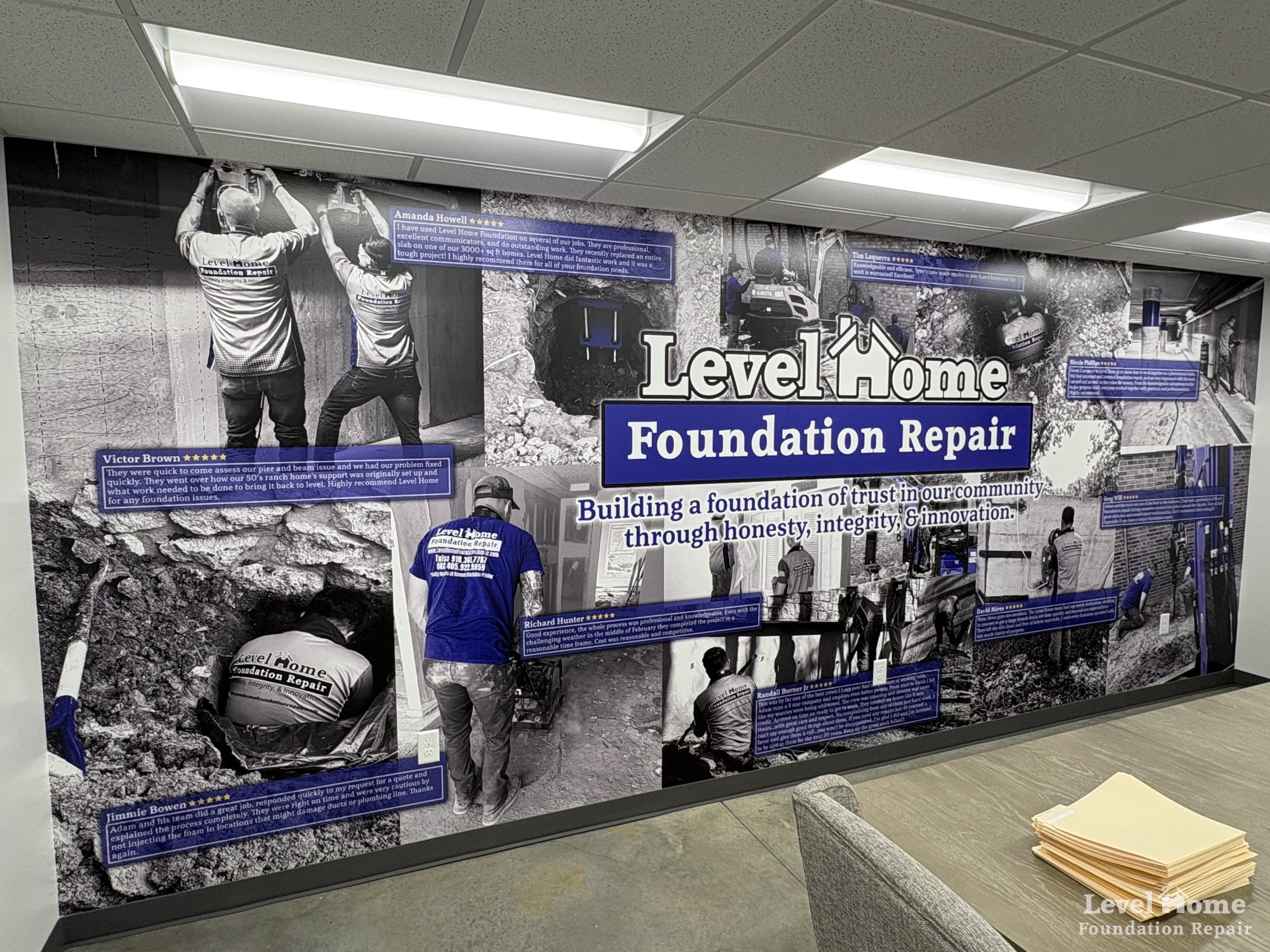
At Level Home Foundation Repair, our mission is “Building a foundation of trust in our community through honesty, integrity, and innovation.” That starts with honest assessments — and sometimes, the most honest thing we can tell you is that you don’t need foundation repair.
In this guide, we’ll walk you through common misdiagnoses, the red flags to watch for, what a proper inspection looks like, and when you truly need professional foundation repair.
Common Foundation Repair Misdiagnoses in Tulsa Homes
Not every crack, slope, or sticking door means your foundation is failing. Here are the most common situations where homeowners are told they need major repairs — when they actually don’t:
1. Cosmetic Cracks vs. Structural Cracks
This is the most frequent misdiagnosis. Hairline cracks in drywall, stucco, or brick mortar are extremely common in Oklahoma homes. Tulsa’s expansive clay soil naturally swells when wet and shrinks when dry, causing minor movement that produces small cracks. These are cosmetic issues, not structural failures. A structural crack is typically wider than 1/4 inch, horizontal or stair-stepping in block walls, or growing noticeably over time.
2. Normal Settling vs. Foundation Failure
Every home settles. New construction in Tulsa can settle up to half an inch in the first few years, and that’s perfectly normal. Some companies will measure minor elevation differences across your slab — sometimes as small as 1/4 to 1/2 inch — and call it “foundation failure.” In reality, minor elevation differences of less than one inch across a typical home are rarely cause for concern.
3. Seasonal Movement vs. Permanent Damage
Oklahoma’s extreme weather — from drought conditions in summer to heavy rains in spring — causes Tulsa’s clay soil to expand and contract dramatically. Doors that stick in the summer may work perfectly in the winter. This seasonal movement is often temporary and reversible with proper drainage management, not piers.
4. Drainage Problems Labeled as Foundation Problems
Poor drainage is one of the biggest threats to Tulsa foundations, but the fix is often a drainage system — not foundation piers. If water is pooling near your foundation, directing it away through grading, gutters, or French drains may solve the problem for a fraction of the cost of structural repairs.
Red Flags That a Company May Be Overselling
If you’re getting quotes from foundation repair companies, watch for these warning signs that you may be dealing with an overseller — or worse:
- High-pressure sales tactics. “This price is only good today” or “If you don’t fix this now, your house could collapse” are classic pressure tactics. A legitimate company gives you time to decide.
- No clear explanation of the problem. If the inspector can’t clearly explain what is wrong and why it requires their proposed solution, that’s a major red flag. You should understand the diagnosis before you agree to the treatment.
- Recommending piers everywhere. Some companies recommend 15-20 piers when 5-6 would solve the actual problem — or when piers aren’t needed at all. More piers means a higher invoice, not necessarily a better repair.
- Refusing to discuss alternatives. A trustworthy company will explain all available options, including less expensive ones. If the only solution they offer is the most expensive one, seek a second opinion.
- No engineering assessment offered. For significant foundation issues, a structural engineer’s report provides an independent, unbiased evaluation. Companies that discourage or dismiss engineering assessments may not want their diagnosis scrutinized.
- The inspector is also the salesperson. When the person evaluating your foundation is paid on commission for selling repairs, there’s a built-in conflict of interest. Ask how inspectors are compensated.
- “Free inspection” that turns into a hard sell. Free inspections are standard in the industry (we offer them too). But if the “free inspection” feels more like a sales presentation than an evaluation, be cautious.
What a Proper Foundation Inspection Should Include
A thorough, honest foundation inspection is more than a 15-minute walkthrough. Here’s what you should expect from a reputable company:
- Exterior evaluation: Checking for cracks in brick, stone, or stucco; examining grading and drainage; inspecting gutters and downspouts; looking at soil conditions around the perimeter.
- Interior evaluation: Checking for cracks in drywall and flooring; testing doors and windows for alignment; measuring floor levelness across the home.
- Crawl space or basement inspection (if applicable): Examining support beams, joists, and piers; checking for moisture, mold, or wood rot in the crawl space.
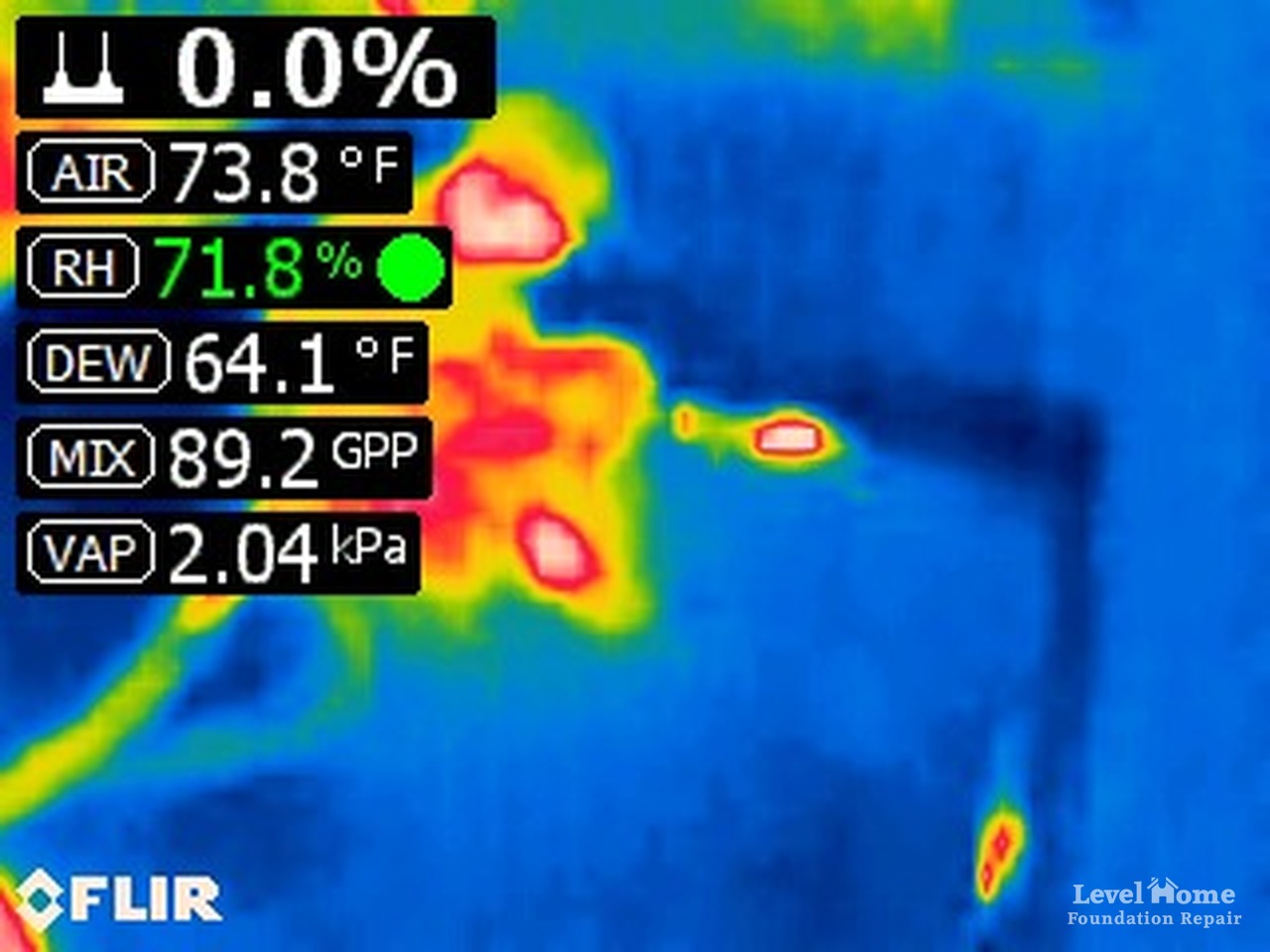
- Elevation measurements: Using professional tools to map elevation differences across your foundation — and explaining what those measurements mean.
- Clear documentation: You should receive a written report explaining findings, the recommended solution, and why that solution is necessary.
- Honest conversation: A good inspector will tell you if your foundation does NOT need repair. They’ll explain what to monitor and when to call back.
At Level Home Foundation Repair, our free inspections are thorough evaluations — not sales pitches. We’ve told hundreds of homeowners that their foundation is fine and to save their money. That’s what honest assessments look like.
When You Actually Need Foundation Repair
Of course, real foundation problems do exist — and ignoring them can lead to serious structural damage. Here are signs that you likely do need professional foundation repair:
- Cracks wider than 1/4 inch that are growing over time, especially horizontal or stair-step cracks in block or brick walls.
- Doors and windows that won’t close properly year-round — not just seasonally.
- Visible gaps between walls and ceiling or floor.
- Floors that are noticeably sloping — more than 1 inch over 15-20 feet.
- Walls bowing inward in your basement or crawl space.
- Water intrusion through foundation cracks, especially after Oklahoma’s heavy spring rains.
- A structural engineer has confirmed the problem. This is the gold standard for foundation diagnosis.
If you’re experiencing these issues, don’t wait. Foundation problems in Tulsa’s clay soil can worsen with each wet-dry cycle. But get a proper diagnosis first — and consider getting a second opinion before committing to a repair plan.
The Value of Getting a Second Opinion in Tulsa
Would you agree to surgery based on one doctor’s opinion without understanding the diagnosis? Your home’s foundation deserves the same due diligence.
Getting a second opinion on foundation repair is not only acceptable — it’s smart. Here’s why:
- Diagnoses can vary dramatically. It’s common for homeowners to get quotes ranging from $3,000 to $30,000 for the same house. That spread usually means at least one company is misdiagnosing the problem.
- You’ll learn more about your home. Each inspection teaches you something new. The more you understand, the better decisions you’ll make.
- It keeps companies honest. When contractors know you’re getting multiple opinions, they’re less likely to oversell.
- An independent structural engineer provides unbiased clarity. For complex situations, investing $300-$500 in a structural engineering report can save you thousands in unnecessary repairs.
We’ve written a detailed guide on how to choose a foundation repair company in Tulsa that covers what to look for in quotes and how to compare contractors.
How Level Home Foundation Repair Does Things Differently
We’re a locally owned Tulsa company — not a national chain with corporate sales quotas. Our team has over 15 years of experience and has restored more than 3,000 homes across the Tulsa metro area, including Owasso, Broken Arrow, Bixby, Jenks, and surrounding communities.
Here’s what sets us apart:
- We won’t recommend repairs you don’t need. If your foundation is fine, we’ll tell you — and explain what to watch for.
- We explain everything clearly. No jargon, no scare tactics. You’ll understand what’s happening with your foundation and why we recommend our approach.
- We offer genuinely free inspections. No strings attached. No pressure to sign anything on the spot.
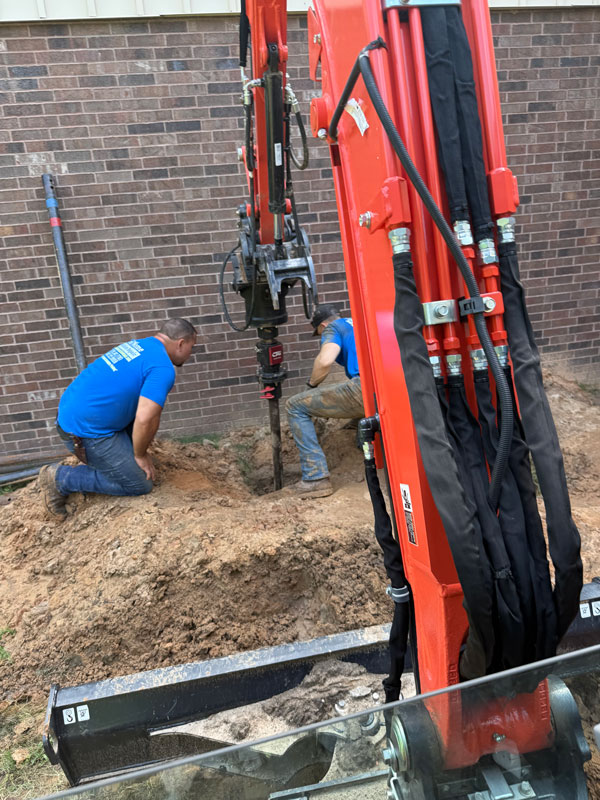
- We use modern, proven repair methods including steel push piers and helical piers — the same systems recommended by structural engineers across Oklahoma.
Frequently Asked Questions
How do I know if a foundation crack is serious?
Hairline cracks (less than 1/8 inch) in drywall or mortar are usually cosmetic. Cracks wider than 1/4 inch, horizontal cracks, stair-step patterns in brick or block walls, or cracks that are actively growing should be evaluated by a professional. When in doubt, a free inspection can give you peace of mind.
Should I get a structural engineer involved?
For complex foundation issues or when you’ve received conflicting assessments from repair companies, a structural engineer provides an independent, unbiased evaluation. It typically costs $300-$500 in the Tulsa area and can save you from unnecessary repairs.
How many foundation repair quotes should I get?
We recommend getting at least two to three quotes from reputable, locally owned companies. Compare not just the price, but the scope of work, the explanation of the problem, and how the company treats you during the inspection process.
Can drainage fixes solve my foundation problems?
In many cases, yes. Tulsa’s clay soil is highly reactive to moisture. Improving drainage around your home — through grading, gutters, downspout extensions, or French drains — can often stop foundation movement and prevent further damage without structural repairs.
Is it normal for a Tulsa home to have some cracks?
Absolutely. Oklahoma’s expansive clay soil and extreme temperature swings mean that virtually every home in the Tulsa area will develop some minor cracking over time. This is normal settling and doesn’t automatically mean your foundation is failing.
Protect Your Home — and Your Wallet
Foundation repair is a significant investment, and you deserve to know that it’s truly necessary before you spend a dime. By understanding common misdiagnoses, knowing the red flags of overselling, and getting a second opinion when something doesn’t feel right, you can protect both your home and your hard-earned money.
If you’re concerned about your foundation — or if you’ve already received a quote and want an honest second opinion — contact Level Home Foundation Repair for a FREE inspection. We’ll give you the truth about your foundation, whether that means recommending repairs or telling you everything is fine.
📞 Call us today: (918) 361-7787
🌐 Visit: levelhomefoundationrepair.com
📍 Serving Tulsa, Broken Arrow, Owasso, Bixby, Jenks, and all surrounding areas
📚 Related Resources
→ Related: Learn more about our helical pier solutions