Crawl Space Encapsulation vs. Vapor Barrier — Making the Right Choice for Your Tulsa Home
You’ve noticed musty smells drifting up through the floorboards. Maybe your hardwood floors feel soft in places, or your energy bills keep climbing for no obvious reason. You start researching and quickly land on two options: crawl space encapsulation and a vapor barrier. Learn more about our pier and beam foundation repair services.
Both promise to protect the space under your home — but they’re not the same thing, and choosing the wrong one could mean wasting money or leaving your home vulnerable. If you’re a homeowner in Tulsa, Oklahoma, the stakes are even higher: our clay-heavy soil, extreme humidity swings, and severe storm seasons create conditions that demand the right level of protection.
This guide breaks down exactly what each option involves, what it costs, and — most importantly — which one your home actually needs. No sales pitch, just honest information from a team that’s spent over 15 years working under Tulsa homes.
What Is a Vapor Barrier? (The Basics)
A vapor barrier is a sheet of polyethylene plastic (typically 6-mil to 20-mil thick) laid across the exposed dirt floor of your crawl space. Its primary job is simple: block ground moisture from evaporating up into the crawl space air.
What a Vapor Barrier Includes
- Plastic sheeting on the ground — covers the dirt floor, sometimes overlapping at seams
- Basic attachment — edges may be taped or weighted down with rocks or stakes
- No wall coverage — a standard vapor barrier only covers the floor, not the foundation walls
- No climate control — no dehumidifier, no sealed vents, no insulation
Think of a vapor barrier as a rain jacket for your crawl space floor. It keeps ground moisture from rising, but it doesn’t stop humid outdoor air from pouring in through open vents — and in Tulsa, that summer air can carry 80%+ relative humidity.
When a Vapor Barrier Makes Sense
- Your crawl space is dry with minimal standing water history
- You have good exterior drainage and properly graded soil
- The home has adequate natural ventilation and no musty odors
- Budget is limited but you want basic ground moisture control
- The crawl space structural supports are in good condition with no wood rot
What Is Crawl Space Encapsulation? (The Full System)
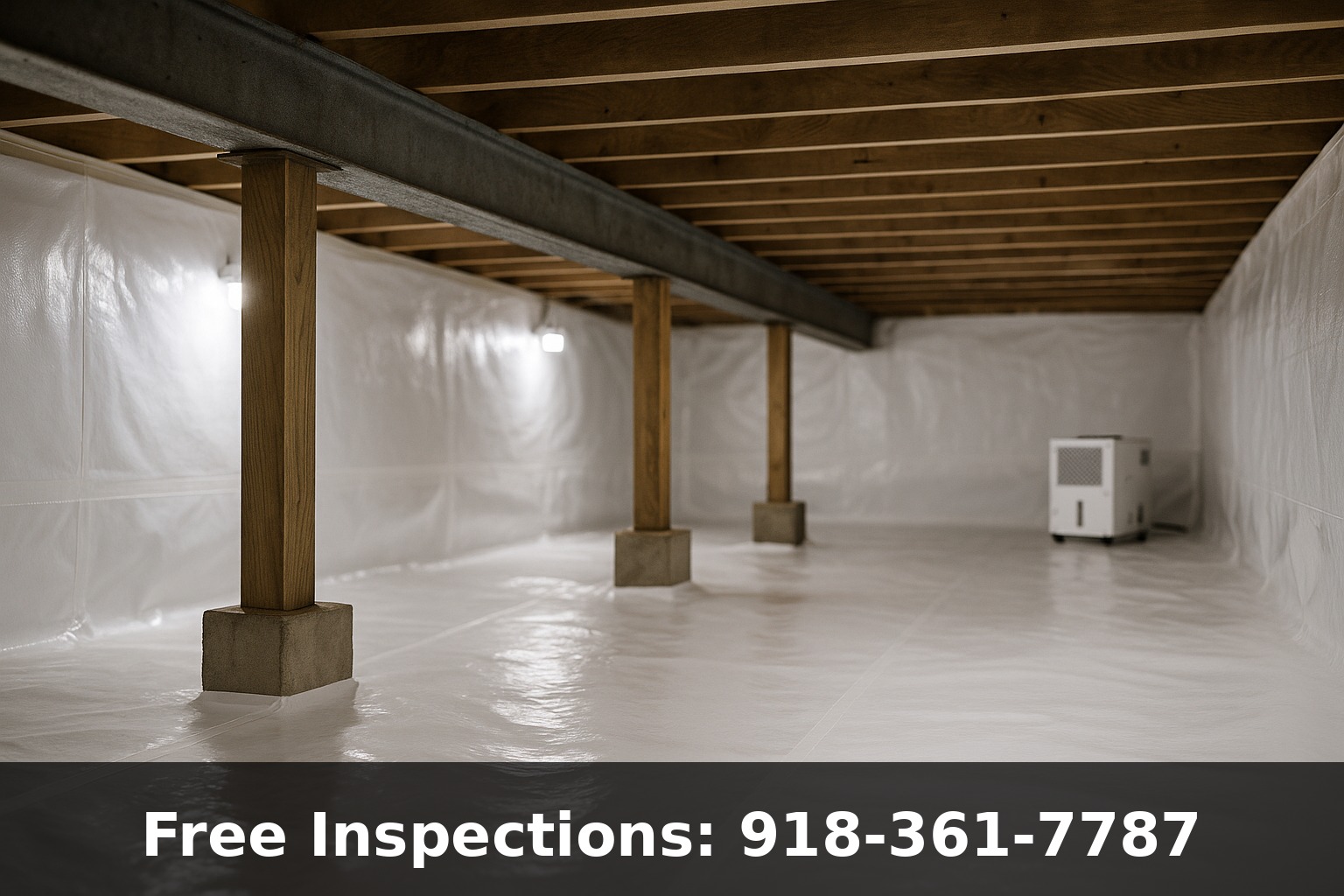
Crawl space encapsulation is a comprehensive moisture control system that seals the entire crawl space — floor, walls, and sometimes ceiling — creating a controlled environment. It’s the difference between a rain jacket and a sealed, climate-controlled room.
What Full Encapsulation Typically Includes
- Heavy-duty vapor barrier (12-mil to 20-mil) covering the entire floor AND foundation walls
- Sealed seams — all overlapping sections are taped with specialty seam tape
- Vent sealing — crawl space vents are permanently closed to stop outdoor air infiltration
- Dehumidifier — a commercial-grade unit maintains humidity below 55-60%
- Drainage system (if needed) — interior perimeter drains or sump pump to handle water intrusion
- Insulation — rigid foam board on foundation walls for temperature control
- Structural support assessment — strong structural support under your home is essential before encapsulating
Encapsulation doesn’t just block moisture — it eliminates the conditions that cause wood rot, mold growth, pest infestations, and structural deterioration. For Tulsa homes sitting on expansive clay soil that swells and contracts with every rainstorm, this level of protection addresses problems at their root.
Foundation Repair Tulsa: Why Structural Support Comes First
Here’s something many companies won’t tell you: encapsulating a crawl space with structural problems is like putting a fresh coat of paint on a crumbling wall. It looks good on the surface but doesn’t fix what’s actually wrong.
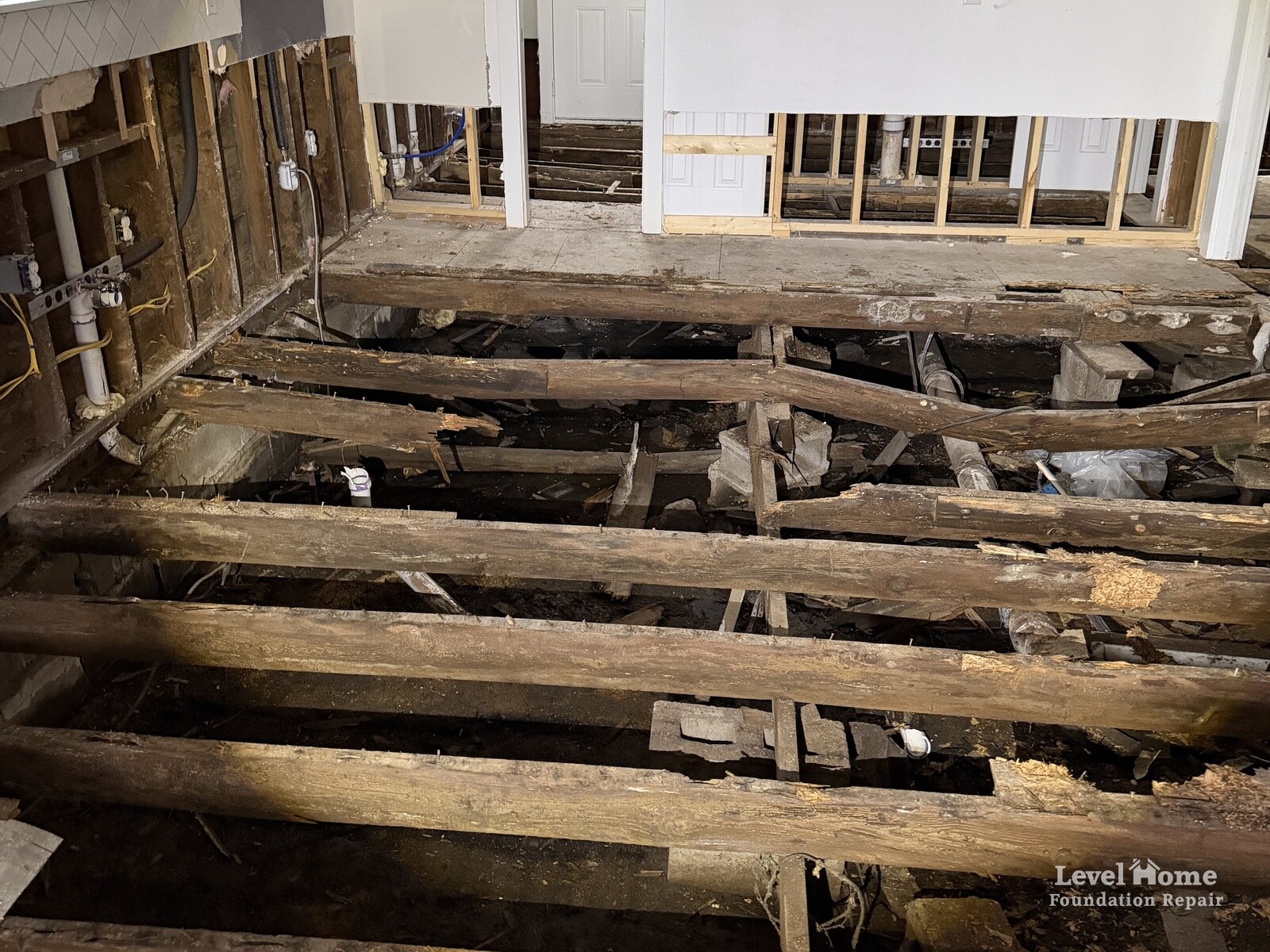
Before any encapsulation project, your crawl space needs a thorough structural inspection. Oklahoma’s clay soil puts enormous pressure on foundations — the soil expands when wet (and Tulsa averages 42 inches of rain per year) and contracts during our hot, dry summers. This constant movement can cause:
- Sagging or bouncy floors from weakened floor joists
- Cracked or bowing foundation walls
- Deteriorated support beams and posts
- Settling that creates uneven floors throughout the home
At Level Home Foundation Repair, we always start with an honest structural assessment before recommending any crawl space solution. If your floor joists need sistering, your support posts need replacement, or your foundation walls show signs of movement, those issues must be addressed first. Strong structural support is the foundation (literally) of any lasting crawl space solution.
If you need foundation repair in Tulsa, getting that squared away before encapsulation ensures your investment is protected for the long haul.
Cost Comparison: Vapor Barrier vs. Encapsulation in Tulsa
Let’s talk real numbers. Tulsa homeowners deserve transparency about what these projects actually cost — not vague “call for a quote” runarounds.
| Feature | Vapor Barrier | Full Encapsulation |
|---|---|---|
| Typical Cost (1,200 sq ft crawl space) | $1,500 – $4,000 | $5,000 – $15,000+ |
| Moisture Protection | Ground moisture only | Ground + air + wall moisture |
| Humidity Control | None | Yes (dehumidifier) |
| Energy Savings | Minimal | 15-20% reduction in HVAC costs |
| Mold Prevention | Partial | Comprehensive |
| Pest Deterrent | Minimal | Significant reduction |
| Home Value Impact | Slight | Measurable increase |
| Lifespan | 5-10 years before replacement | 15-25+ years with maintenance |
The ROI reality: While encapsulation costs 3-4x more upfront, the energy savings alone ($200-$400/year for most Tulsa homes) can recoup a significant portion over the system’s lifespan. Add in avoided structural repairs, mold remediation costs ($3,000-$10,000+), and improved home resale value, and full encapsulation often pays for itself — especially in Oklahoma’s demanding climate.
Oklahoma Climate Factors That Change Everything
Generic crawl space advice from national websites often misses what makes Oklahoma different. Here’s why Tulsa’s specific conditions matter for this decision:
Clay Soil and Moisture Movement
Tulsa sits on some of the most expansive clay soil in the country. This soil acts like a sponge — absorbing water during our spring storms and releasing it slowly, pushing moisture vapor up through your crawl space floor for weeks after the rain stops. A basic vapor barrier can handle mild ground moisture, but after a Tulsa spring with 6+ inches of rain in a month, you need comprehensive protection.
Humidity Extremes
Tulsa’s summer humidity regularly exceeds 80%, while winter months can drop below 30%. This constant swing creates condensation cycles in crawl spaces with open vents. A vapor barrier does nothing to address humid outdoor air — only encapsulation with a dehumidifier can maintain stable conditions year-round.
Severe Storm Season
Oklahoma’s tornado season (April through June) brings intense rainfall, flooding, and rapid groundwater rises. Homes in flood-prone areas of Tulsa, Broken Arrow, and Bixby may need encapsulation with a sump pump and proper drainage systems to handle water intrusion that a simple vapor barrier can’t manage.
Termite Pressure
Oklahoma ranks among the highest-risk states for subterranean termites. These pests thrive in moist, dark environments — exactly what an unsealed, open-vent crawl space provides. Full encapsulation dramatically reduces termite-friendly conditions by eliminating the moisture they need.
Which Option Does YOUR Home Need? A Decision Guide
Here’s a straightforward way to determine the right choice:
Choose a Vapor Barrier If:
- Your crawl space stays dry year-round — no standing water, no persistent dampness
- You don’t notice musty smells in your home
- Your floors feel solid and level throughout the house
- You have a tight budget but want basic ground moisture protection
- Your home has excellent exterior drainage and gutters that direct water well away from the foundation
Choose Full Encapsulation If:
- You’ve seen standing water or persistent dampness in your crawl space
- Musty, moldy smells are noticeable in your living areas
- Your floors are sagging, bouncy, or uneven
- You’ve noticed higher energy bills or rooms that won’t stay comfortable
- Your home is in a flood-prone area or has poor drainage
- You plan to stay in the home long-term and want maximum protection
- A home inspector flagged moisture or structural issues in the crawl space
The honest truth from our experience: In Tulsa’s climate, most homes with crawl spaces eventually need encapsulation. Oklahoma’s combination of expansive clay soil, extreme humidity, and heavy seasonal rainfall creates conditions that overwhelm basic vapor barriers within a few years. We’d rather tell you that upfront than sell you a cheaper solution you’ll have to upgrade later.
Frequently Asked Questions
Can I install a vapor barrier myself?
A basic 6-mil ground cover? Technically yes. But for it to be effective, seams need proper overlap (12+ inches), edges should be sealed to foundation walls, and you should address any standing water first. For full encapsulation, professional installation is essential — improper sealing can trap moisture and make problems worse.
How long does crawl space encapsulation last?
A professionally installed encapsulation system lasts 15-25 years or more with basic maintenance (primarily keeping the dehumidifier running and checking for damage annually). The vapor barrier material itself can last even longer. Compare that to a basic vapor barrier that may need replacement every 5-10 years.
Does encapsulation increase home value?
Yes. Real estate agents in the Tulsa market report that encapsulated crawl spaces are a strong selling point, especially for buyers who’ve dealt with foundation or moisture issues before. Studies suggest encapsulation can add $10,000-$20,000+ in perceived home value — often more than the installation cost.
Do I need foundation repair before encapsulation?
If your crawl space has structural issues — sagging beams, cracked walls, deteriorated supports — those should be repaired first. Encapsulating over structural problems is like bandaging a broken bone. Foundation repair in Tulsa should always come before moisture control work. Level Home Foundation Repair provides honest structural assessments to determine what’s truly needed before recommending any solution.
Will my homeowner’s insurance cover encapsulation?
Generally, no. Homeowner’s insurance typically covers sudden water damage but not moisture prevention upgrades. However, some policies may cover related repairs if you can document damage caused by water intrusion. Check with your Oklahoma insurance agent for specifics — and consider that encapsulation can prevent claims that might raise your premiums later.
The Bottom Line: Protect What’s Under Your Home
Your crawl space isn’t just an empty gap beneath your floors — it’s the structural foundation that supports everything above it. In Tulsa’s challenging climate, protecting that space means protecting your home’s value, your family’s health, and your peace of mind.
Whether you need a basic vapor barrier or full crawl space encapsulation in Tulsa, the first step is the same: get an honest, professional assessment of what’s actually happening under your home.
Level Home Foundation Repair offers FREE crawl space inspections throughout Tulsa and surrounding communities including Broken Arrow, Owasso, Bixby, Jenks, Sand Springs, and beyond. We’ll tell you exactly what your crawl space needs — and just as importantly, what it doesn’t. No pressure, no unnecessary upsells. Just honest answers backed by 15+ years of Oklahoma experience.
📞 Call (918) 361-7787 to schedule your free inspection, or visit levelhomefoundationrepair.com to get started today.
Serving Tulsa, Broken Arrow, Owasso, Bixby, Jenks, Sand Springs, Sapulpa, Claremore, and all of northeastern Oklahoma.