Why Tulsa Homes Need Basement Waterproofing
If you own a home in the Tulsa, Oklahoma area, you already know our weather doesn’t do foundations any favors. Between heavy spring downpours, humid summers, and unpredictable freeze-thaw cycles, your basement takes a beating year after year. But the real culprit behind most basement moisture problems in northeast Oklahoma isn’t just the rain — it’s what’s beneath your feet.
Tulsa sits on expansive clay soil, sometimes referred to as “red clay” or “gumbo soil.” This type of soil absorbs massive amounts of water during wet periods, swelling and pressing against your foundation walls with tremendous force — a phenomenon engineers call hydrostatic pressure. When drought returns, the soil shrinks and pulls away from your foundation, creating gaps where water can channel directly toward your basement during the next storm.
This constant cycle of swelling and shrinking is one of the primary reasons basement waterproofing in Tulsa isn’t just a good idea — it’s essential home maintenance. According to the American Society of Home Inspectors, more than 60% of American homes suffer from below-ground wetness. In Oklahoma’s clay-heavy soil regions, that number is even higher.
Whether you’ve noticed a musty smell downstairs, seen water stains on your basement walls, or discovered actual standing water after a heavy rain, this comprehensive guide will walk you through everything you need to know about protecting your Tulsa home from below-grade moisture damage.
Common Signs Your Tulsa Basement Needs Waterproofing
Many homeowners don’t realize they have a basement moisture problem until significant damage has already occurred. Here are the warning signs every Tulsa homeowner should watch for:
- Water stains or tide marks on walls — Discoloration along your basement walls, especially near the floor-wall joint, indicates recurring water intrusion. After Tulsa’s spring storms, check your basement within 24 hours.
- Musty or damp odors — That classic “basement smell” isn’t normal. It’s caused by mold and mildew growth triggered by excess moisture, and it can affect your entire home’s air quality since up to 50% of first-floor air rises from below.
- Visible mold or mildew — Black, green, or white fuzzy patches on walls, floors, or stored items signal a serious moisture problem. Oklahoma’s warm, humid climate accelerates mold growth once moisture enters your basement.
- Efflorescence (white mineral deposits) — Those chalky white streaks on concrete or block walls are mineral salts left behind when water evaporates through your foundation. It’s a telltale sign that water is migrating through your walls.
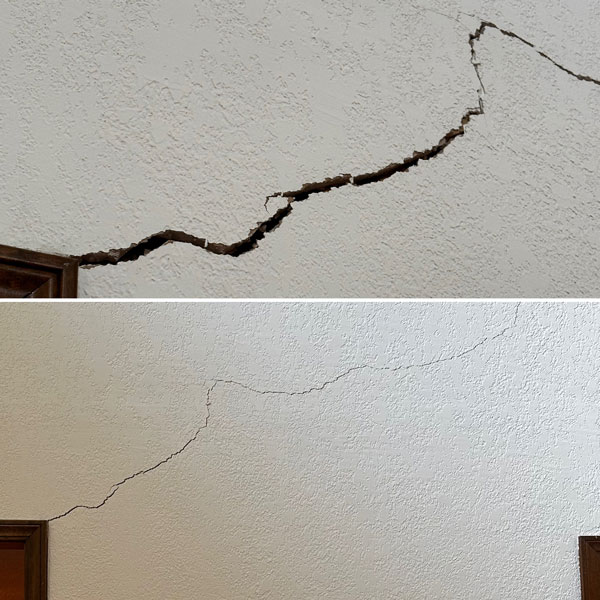
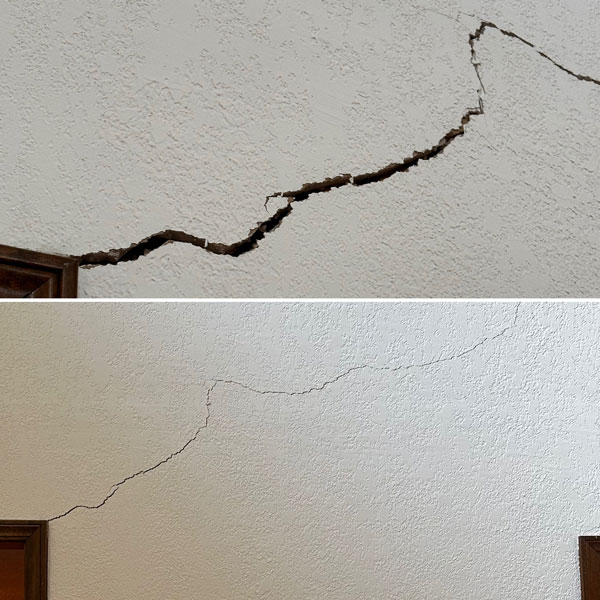
- Cracks in walls or floors — Horizontal cracks in block walls are especially concerning, as they indicate hydrostatic pressure from saturated clay soil pushing inward. Vertical cracks can be entry points for water. If you notice foundation cracks, it’s important to get a professional foundation inspection promptly.
- Peeling paint or bubbling drywall — Moisture behind finished walls causes paint to peel, drywall to bubble, and wood paneling to warp. These are signs that water is finding its way in behind your finishing materials.
- Standing water or damp floors after rain — The most obvious sign. Even small puddles after heavy rain indicate a waterproofing failure that will only worsen over time.
- Increased humidity levels — If your basement humidity consistently exceeds 60%, you have a moisture problem even without visible water. A simple hygrometer can help you monitor this.
If you’ve noticed any of these signs, don’t panic — but don’t ignore them either. Water damage is progressive, and what starts as minor dampness can lead to structural damage, mold remediation costs, and reduced home value.
Basement Waterproofing Methods Explained
There are two primary approaches to basement waterproofing: interior methods that manage water once it enters, and exterior methods that prevent water from reaching your foundation in the first place. The best solution for your Tulsa home depends on the source and severity of your moisture problem.
Interior Waterproofing Methods
Interior waterproofing is often the most practical and cost-effective first step for Tulsa homeowners. These methods manage water that has already entered or is entering the basement.
Interior French Drain System (Drain Tile)
This is the most popular and effective interior waterproofing solution. A channel is cut along the perimeter of your basement floor, and a perforated drain pipe is installed in a bed of gravel. Water that enters through the wall-floor joint or through cracks is collected and directed to a sump pump pit for removal. This system works with your home’s natural water patterns rather than trying to fight them. For Tulsa homes dealing with hydrostatic pressure from saturated clay soil, an interior French drain system is often the go-to solution. Learn more about our drainage system solutions.
Sump Pump Installation
A sump pump is the workhorse of any interior waterproofing system. Installed in a pit (sump basin) at the lowest point of your basement, it automatically activates when water reaches a certain level and pumps it away from your foundation. In Tulsa, where spring storms can dump inches of rain in hours, a reliable sump pump with battery backup is essential. We recommend:
- A primary pump rated for your basement’s water volume
- A battery backup pump for power outages during storms
- An alarm system to alert you if the pump fails
- Annual maintenance checks before Oklahoma’s storm season (March–June)
Interior Waterproofing Sealants and Coatings
Concrete waterproofing coatings, silicate-based sealers, and waterproofing paint can be applied to interior basement walls to reduce moisture vapor transmission. While these products can help with minor dampness and condensation, they are not a standalone solution for active water intrusion. Think of them as one layer in a comprehensive waterproofing strategy.
Crack Injection Repair
For poured concrete foundations, epoxy or polyurethane injection can seal individual cracks from the inside. Epoxy provides a structural bond, while polyurethane foam expands to fill the entire crack and remains flexible — important in Tulsa where soil movement keeps foundations under constant stress.
Exterior Waterproofing Methods
Exterior waterproofing addresses the problem at its source by preventing water from ever reaching your foundation walls. While more invasive and expensive, it provides the most comprehensive protection.
Exterior Waterproofing Membrane
This involves excavating the soil around your foundation down to the footing, cleaning the walls, and applying a waterproof membrane — either a rubberized asphalt coating, a sheet membrane, or a spray-applied polymer. A drainage board is then installed over the membrane to channel water downward to an exterior French drain or footing drain. For Tulsa homes built on clay soil, this method is the gold standard because it creates an impermeable barrier between the water-swollen soil and your foundation.
Exterior French Drain (Footing Drain)
An exterior French drain is installed at the base of your foundation during the excavation process. It collects groundwater before it can reach your basement walls and redirects it away from your home. Combined with an exterior membrane, this creates a complete waterproofing system.
Grading and Drainage Improvements
Sometimes the simplest solutions make the biggest difference. Ensuring proper grading (the ground slopes away from your foundation at least 6 inches over the first 10 feet) and extending downspouts at least 6–10 feet from your home can dramatically reduce water reaching your basement. In Tulsa’s neighborhoods — from Midtown to South Tulsa to Broken Arrow — we commonly find grading issues that contribute to basement water problems.
Understanding Basement Waterproofing Costs in Tulsa
At Level Home Foundation Repair, we believe in transparency. Too many companies in our industry hide their pricing until they’re sitting in your living room. Here’s what Tulsa homeowners can realistically expect to invest in basement waterproofing:
| Waterproofing Method | Typical Cost Range | Best For |
|---|---|---|
| Interior sealants/coatings | $500 – $2,500 | Minor dampness, condensation |
| Crack injection repair | $250 – $800 per crack | Individual foundation cracks |
| Interior French drain system | $3,000 – $10,000 | Active water intrusion, hydrostatic pressure |
| Sump pump installation | $1,000 – $3,500 | Water removal, flood prevention |
| Exterior waterproofing membrane | $8,000 – $20,000+ | Comprehensive, long-term protection |
| Exterior French drain | $4,000 – $12,000 | Groundwater management |
| Complete system (interior + sump) | $5,000 – $15,000 | Most Tulsa homes with moderate issues |
What affects your cost?
- Basement size — Larger basements require more linear feet of drain tile and more materials
- Severity of the problem — Active flooding requires more aggressive (and costly) solutions than occasional dampness
- Foundation type — Poured concrete, concrete block, and stone foundations each present different challenges
- Accessibility — Finished basements require demolition and restoration of finished materials
- Soil conditions — Tulsa’s heavy clay soil can increase excavation costs for exterior methods
- Existing structural damage — If water has already caused foundation damage, those repairs add to the project scope
Important: The cost of waterproofing is almost always less than the cost of water damage repair. Mold remediation alone can cost $3,000–$10,000 or more, and foundation damage from prolonged water exposure can run into the tens of thousands. Waterproofing is an investment that protects your home’s value and your family’s health.
DIY vs. Professional Basement Waterproofing
Some basement moisture issues have simple solutions homeowners can tackle themselves. Others absolutely require professional expertise. Here’s how to know the difference:
DIY-appropriate tasks:
- Extending downspouts away from the foundation
- Improving grading around your home
- Applying interior waterproofing paint for minor condensation
- Clearing debris from window wells
- Running a dehumidifier to manage humidity levels
Call a professional when:
- You see active water entry during or after rain
- There are horizontal or stair-step cracks in foundation walls
- You notice bowing or leaning basement walls
- Standing water appears regularly
- You smell persistent musty odors despite cleaning
- Your home was built before 1980 (older waterproofing methods have often failed)
Professional waterproofing isn’t just about applying products — it’s about correctly diagnosing where water is coming from and why. In Tulsa’s complex soil environment, what looks like a simple leak could be a symptom of a larger drainage or structural issue. A thorough inspection by an experienced team ensures you solve the actual problem, not just treat the symptoms.
Why Choose Level Home Foundation Repair for Basement Waterproofing in Tulsa
When you call Level Home Foundation Repair, here’s what makes us different from the big national chains and other local companies:
- Honest assessments — We’ll never recommend waterproofing you don’t need. If your issue can be solved with a $200 grading fix, we’ll tell you that. Our reputation is built on trust, not upselling.
- Local expertise — We’re Tulsans serving Tulsans. We understand the specific challenges of Oklahoma’s expansive clay soils, our intense storm seasons, and the common construction methods used in Tulsa-area homes.
- Comprehensive approach — We don’t just waterproof basements — we provide complete foundation services including foundation repair, crawl space repair and encapsulation, and drainage solutions. This means we can identify and address the root cause of your water problem, even if it extends beyond the basement.
- Free inspections — Every project starts with a thorough, no-obligation inspection. We’ll diagnose the problem, explain your options in plain English, and provide an honest estimate.
- Proven track record — With over 15 years of experience and more than 1,000 homes restored across the Tulsa metro area, we have the expertise to handle any basement waterproofing challenge.
Frequently Asked Questions About Basement Waterproofing in Tulsa
How do I know if I need basement waterproofing or foundation repair?
Sometimes you need both. Water intrusion can cause foundation damage, and foundation cracks can allow water entry. During our free inspection, we assess both the waterproofing and structural integrity of your foundation. If we find structural issues, we’ll recommend foundation repair alongside waterproofing to address the complete problem.
Is interior or exterior waterproofing better for Tulsa homes?
It depends on your specific situation. Interior systems (French drains + sump pump) are effective for most Tulsa homes and are less expensive and disruptive. Exterior waterproofing is ideal for severe cases or new construction. Many homes benefit from a combination approach. We’ll recommend the most cost-effective solution during your free inspection.
How long does basement waterproofing last?
A properly installed interior French drain and sump pump system can last 25–30 years or more with basic maintenance. Exterior waterproofing membranes typically last 20–25 years. Sump pumps should be replaced every 7–10 years. Regular maintenance extends the life of any waterproofing system.
Does basement waterproofing increase home value?
Yes. A dry, waterproofed basement increases usable square footage and eliminates a major red flag for home buyers and inspectors. In the Tulsa real estate market, homes with documented waterproofing systems sell faster and for higher prices than those with known moisture issues.
When is the best time to waterproof a basement in Oklahoma?
The best time is before you have a problem — but realistically, most homeowners call after noticing water. Late fall and winter are ideal for scheduling waterproofing work in Oklahoma, as the ground is typically drier and contractors have more availability. However, we perform waterproofing year-round. Don’t wait for spring storms to remind you — act now and be protected before Tulsa’s next big rain event.
Can I waterproof my basement myself?
Minor improvements like grading corrections and downspout extensions are DIY-friendly. However, interior drainage systems, sump pump installation, crack injection, and exterior waterproofing require professional installation to be effective. Improperly installed systems can make problems worse and void any warranty protection.
Does homeowner’s insurance cover basement waterproofing?
Standard homeowner’s insurance policies typically do not cover basement waterproofing or gradual water seepage. Flood insurance (through FEMA’s National Flood Insurance Program) may cover sudden flooding but not preventive waterproofing. Waterproofing is considered home maintenance and improvement — but it’s an investment that can prevent far more expensive damage claims down the road.
Protect Your Tulsa Home — Schedule Your Free Basement Inspection
Don’t wait until the next big Oklahoma storm turns your basement into a swimming pool. Whether you’ve noticed early warning signs or you’re dealing with active water intrusion, Level Home Foundation Repair is here to help with honest assessments and proven solutions.
Schedule your FREE basement waterproofing inspection today:
- 📞 Call or text: (918) 361-7787
- 🌐 Visit: www.levelhomefoundationrepair.com
We proudly serve homeowners across Tulsa, Broken Arrow, Owasso, Bixby, Jenks, Sand Springs, Sapulpa, Claremore, and all of northeast Oklahoma. Building a foundation of trust in our community through honesty, integrity, and innovation — that’s the Level Home promise.